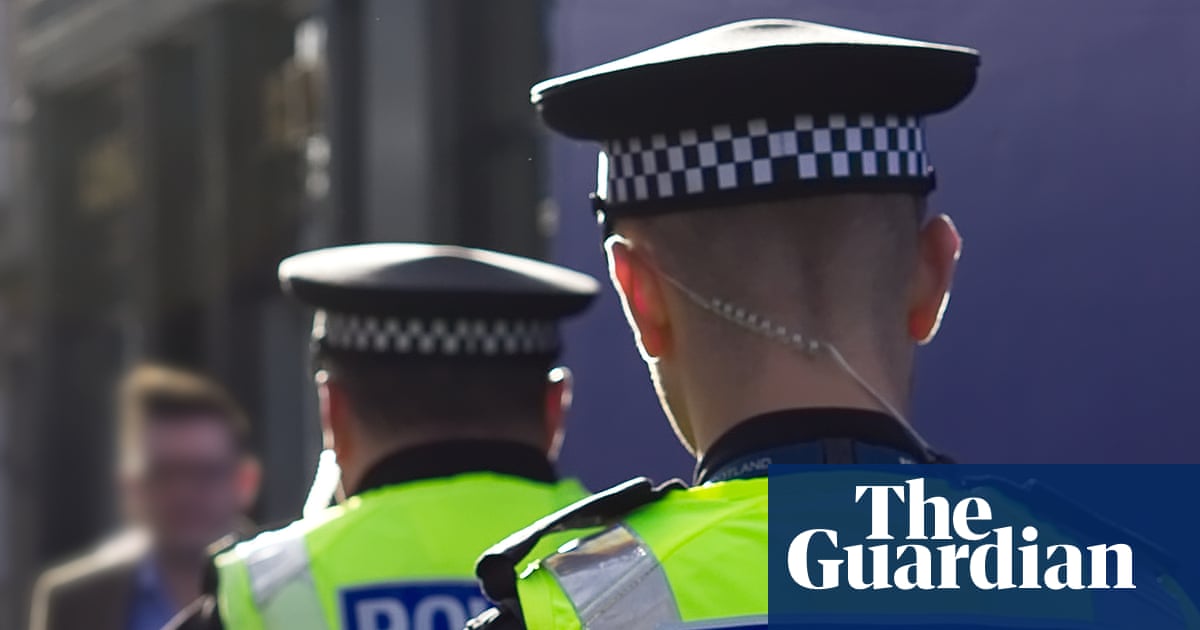
Survey Reveals Police Officers in England and Wales Fear Reporting Colleagues for Misconduct
A survey conducted by the Police Federation of England and Wales (PFEW) revealed significant concerns among officers about reporting misconduct within their forces. The survey included 5,203 officers representing approximately 140,000 rank-and-file personnel and found that 48% were dissatisfied with how their forces handle complaints against fellow officers.
The findings showed that 42% of officers believe colleagues who report misconduct or act as witnesses receive poor support, with four-fifths stating that the level of support influences willingness to come forward. Female officers reported bad behaviour more often (53%) compared to male officers (43%) and were nearly three times more likely to be victims in misconduct cases. Additionally, 21% of officers surveyed had been involved in a misconduct case where the perpetrator was another officer.
There was notable variation between forces, with only 10% of Metropolitan Police officers believing complaints against fellow officers are handled well, contrasted with 22% in eastern England, the South-East, and Wales. The Metropolitan Police's record includes high-profile failings such as the kidnapping and murder of Sarah Everard by Wayne Couzens in 2021, and missed opportunities to identify David Carrick. Official reports have criticized gaps in vetting and supervision within the force.
Mukund Krishna, chief executive of the PFEW, highlighted that silence, concerns over confidentiality, and weak leadership allow wrongdoing to persist and erode public trust. In response, the PFEW plans to launch a victim and witness support programme in January 2026 to provide confidential advice and welfare support for officers affected by misconduct.
The National Police Chiefs’ Council (NPCC) stated that recent reforms to vetting and misconduct procedures are producing results, including more dismissals and a commitment to fostering a culture of trust and accountability through robust disciplinary actions. Notably, the Charing Cross station scandal was exposed by undercover journalism rather than internal reporting, underlining ongoing challenges in transparency and accountability within police forces.
