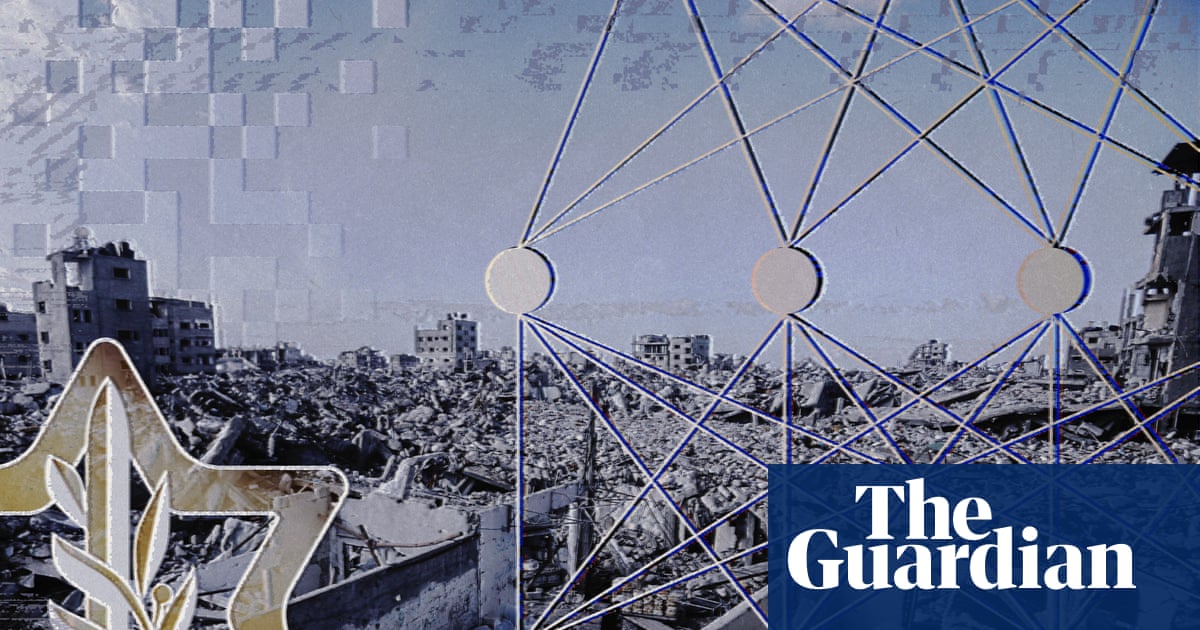
Symbiotic Relationship Between Israeli Military and Silicon Valley in Warfare Operations
Investigations have revealed a close and complex relationship between the Israeli military and Silicon Valley technology firms that links mass surveillance, artificial intelligence, and cloud-based data processing to military operations in Gaza and the West Bank.
Central to this cooperation is a mass surveillance program that collected Palestinian phone calls and stored them on Microsoft’s cloud platform. Following public reporting, Microsoft limited some aspects of access to this data, reflecting growing internal dissent and employee protests within Silicon Valley against such uses of technology.
The Israeli military developed an artificial intelligence system known as Lavender which scores Gaza residents on their likelihood of Hamas membership. Despite acknowledged error rates, this AI system has been used to enable mass targeting and airstrikes, raising significant concerns about accuracy and accountability.
In addition, the 2021 Nimbus project—a contract between the Israeli government and US cloud providers Google and Amazon—has migrated significant government and defense data to US cloud services. This integration ties Israeli military data closer to these US providers even as Microsoft has curtailed some surveillance-enabled services.
Demand for advanced cloud storage and analytical tools surged significantly after October 7 to handle vast volumes of raw intelligence. This data processing capacity enabled large-scale targeting operations and highlighted the strategic importance of blob storage and other cloud analytics capabilities in contemporary warfare.
Internal opposition within major tech firms has triggered shifts in corporate policies, including Microsoft’s decision to halt certain surveillance-enabled access. These developments raise critical questions about future corporate liability and ethical responsibilities in military collaborations.
The reporting also explores accountability issues given the potential rulings by international bodies such as the International Court of Justice on allegations of genocide. It further notes broader policy risks including US sanctions or restrictions tied to Pentagon cloud contracts with major providers that also serve Israeli defense interests.
A former head of Israel’s Unit 8200 emphasized that the Israeli military has long viewed forging relationships with technology companies as essential, analogous to traditional defense contractor partnerships, underscoring the strategic integration of tech industry capabilities in national security operations.