Tensions Between Saudi Arabia and UAE Escalate Over Southern Yemen Control
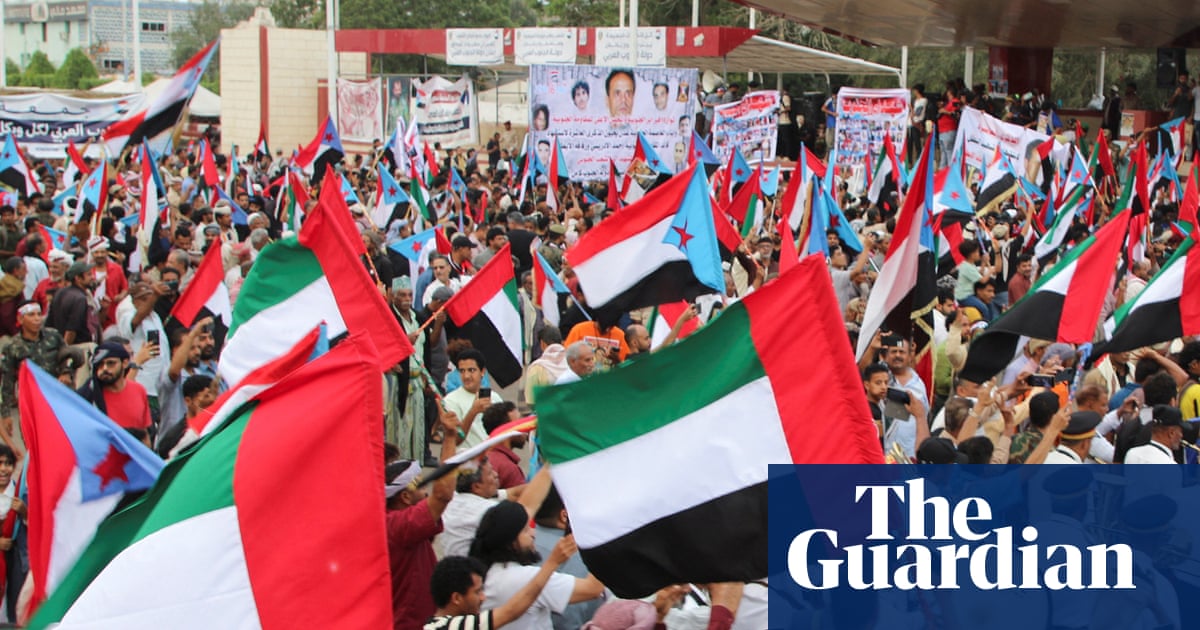
The Southern Transitional Council (STC), backed by the UAE, has expanded its influence into Hadramaut and al Mahra, securing control over most of the former South Yemen, including major oilfields. This development has led to heightened tensions with Saudi Arabia, which accuses the UAE of threatening its national security. Riyadh recently conducted a bombing of vehicles at the port of Mukalla, purportedly intended for STC use, and has pressured Abu Dhabi to withdraw STC forces from the region. The UAE, meanwhile, has pursued commercial opportunities in Yemen using the STC as its vehicle, a group that was recognized with seats on Yemen’s Presidential Leadership Council in 2019.
The dispute threatens to ignite civil war in southern Yemen and risks spilling over into Sudan and the Horn of Africa, highlighting the broader Gulf states' competition for influence, shipping lanes, and commerce. Saudi Arabia insists that southern Yemen cannot move towards independence without international recognition, while the UAE continues to support the STC despite regional and diplomatic pressures. Analysts warn that this rift could benefit the Houthi movement and draw parallels to the 2017 Gulf crisis with Qatar, signaling a return to direct confrontation between the Gulf powers rather than proxy competition.
Western governments have increasingly shown sympathy for Saudi Arabia's position on Yemen while being less publicly critical of the UAE, reflecting broader regional political alignments.