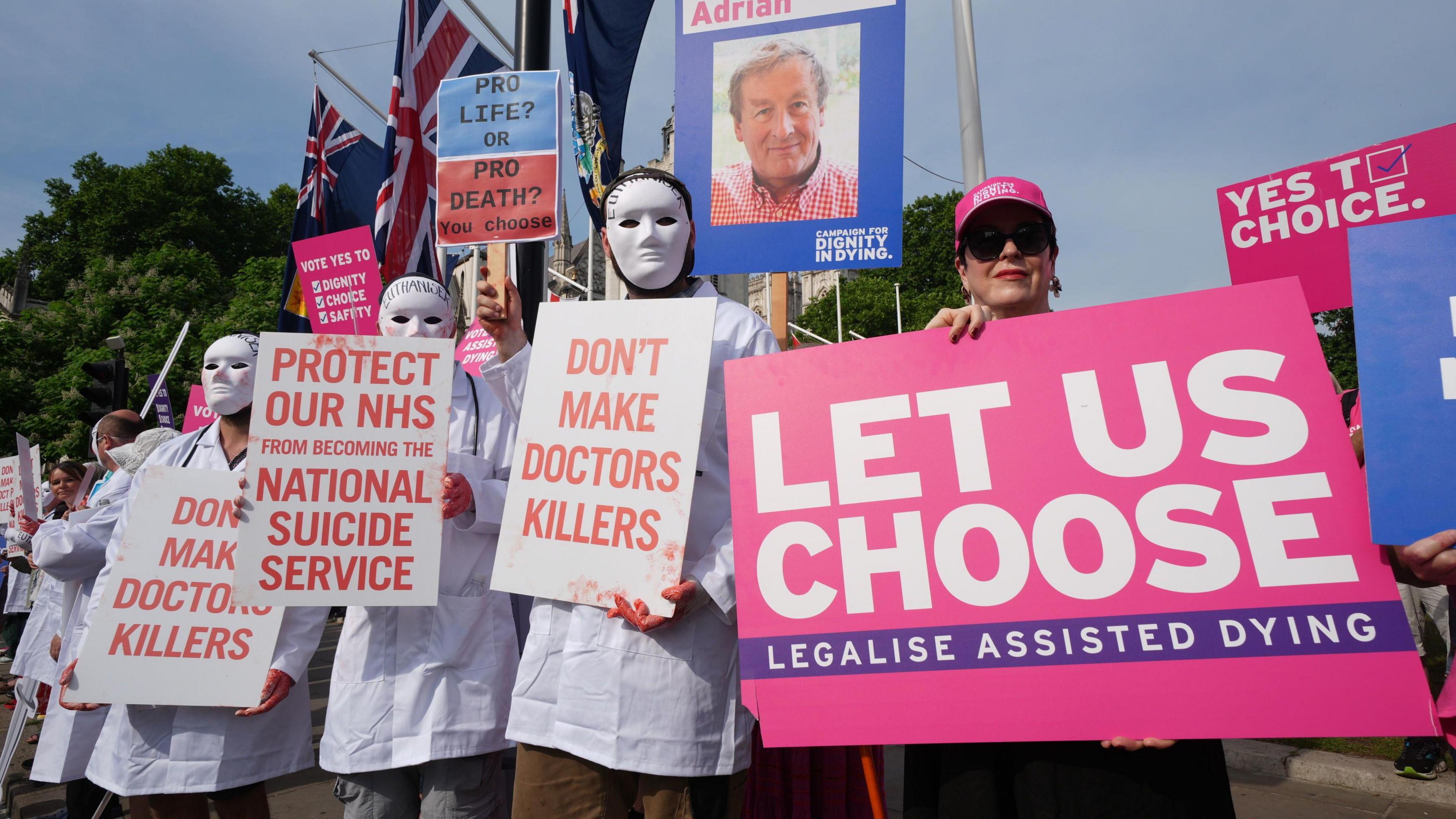
Terminally Ill Adults (End of Life) Bill Faces Challenges in House of Lords
The Terminally Ill Adults (End of Life) Bill, a private member's bill introduced by Labour MP Kim Leadbeater, aims to allow adults aged 18 and over with a prognosis of dying within six months to receive help to end their life under strict safeguards. The bill was introduced in October 2024, with the principle backed by MPs in November of the previous year and a vote in June to progress the bill to the House of Lords.
In the House of Lords, the bill has encountered significant scrutiny with more than 1,000 proposed amendments, a record for a backbench bill. Supporters of the bill argue that these amendments slow progress, while others contend they are necessary to ensure adequate safeguards. The amendments include provisions such as requiring individuals seeking assisted death to have left the country within 12 months and allowing the death to be filmed.
Kim Leadbeater welcomes the scrutiny but has expressed that many of the amendments are unnecessary or even cruel. Baroness Tanni Grey-Thompson has critiqued the bill as badly written with gaps, noting that many amendments attempt to prevent coercion and commend the peers for fulfilling their duty by thoroughly scrutinising the legislation.
The government maintains a neutral stance on the bill, treating it as a conscience issue and not instructing MPs or peers on how to vote. To facilitate debate, the government has scheduled 10 additional Friday sessions in the House of Lords. However, there is a risk that the bill might fail if not passed by both Houses before the end of the current parliamentary session in spring. This is particularly pressing since backbench bills cannot be carried over to the next session, and any government action to push the bill through under the Parliament Act would be unprecedented for a private member’s bill.