Tesla's Autopilot and Full Self-Driving Systems Under Scrutiny Amid Safety Concerns and Legal Challenges
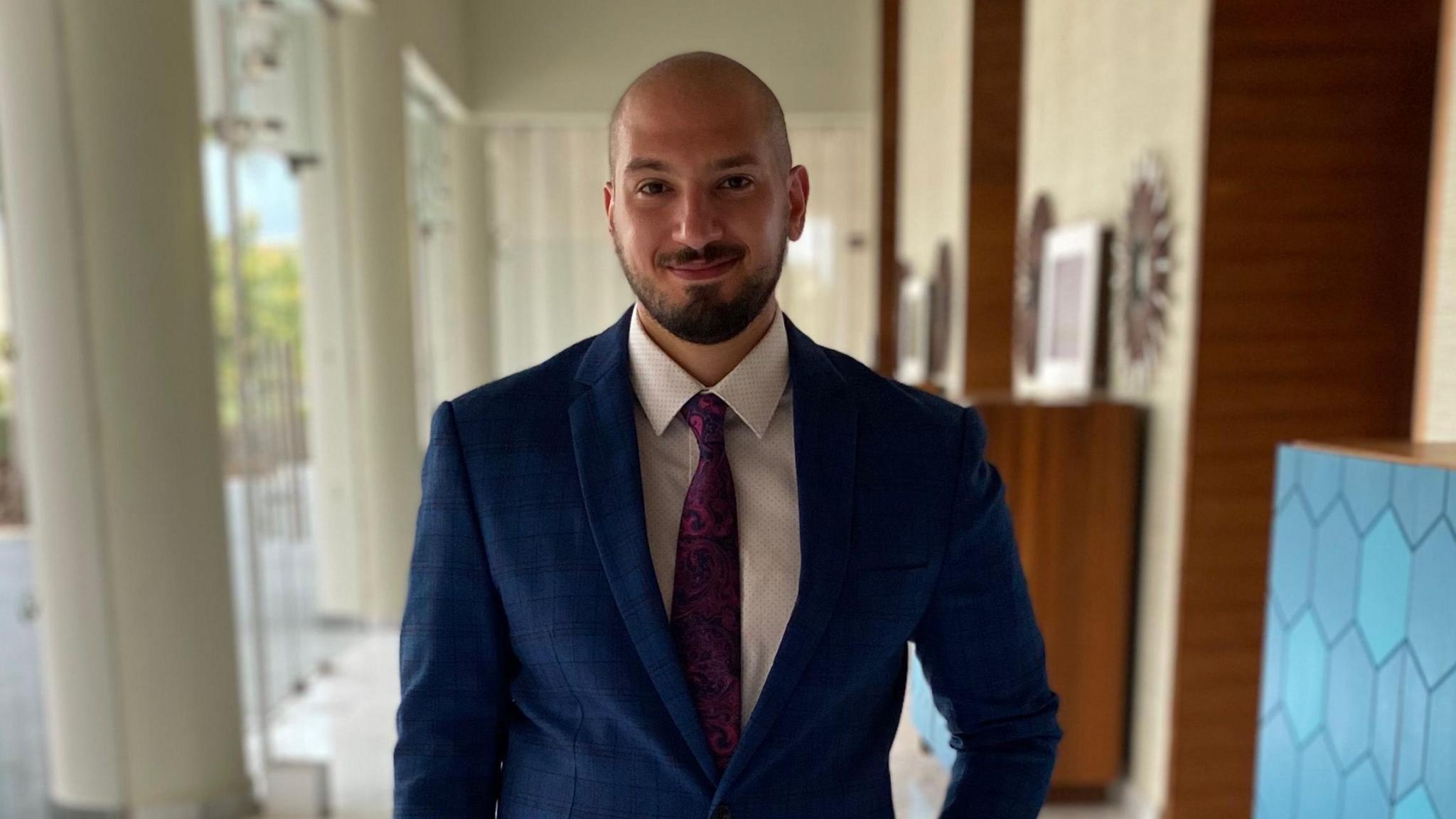
Tesla markets its Autopilot and Full Self-Driving (FSD) systems as driver-supervised technologies, with FSD capable of summoning the car and parking itself. Elon Musk has suggested that texting and driving could be permitted with Tesla's software, a remark on which Tesla has not provided further comment. A Texas tech executive recently tested the latest FSD software in Austin, remaining attentive and refraining from texting; the upgrade costs $8,000.
Safety advocates warn that Musk's stance risks normalizing distracted driving, and they express concern over the absence of independently verifiable safety data. Tesla claims that FSD reduces major collisions by sevenfold but does not make its safety data publicly available for independent review.
U.S. regulators have launched investigations into Tesla's software over issues such as random braking and failure to obey traffic rules. In 2023, California ordered a name change for Autopilot, and Tesla added a 'Supervised' label to FSD. Tesla is also facing lawsuits from customers and shareholders regarding its self-driving systems; some have been settled. The National Highway Traffic Safety Administration (NHTSA) continues to probe compliance with driver-monitoring requirements.
Tesla has begun deploying robotaxis in Texas without drivers, a move that has driven its stock to record highs. However, Waymo leads the U.S. robotaxi market with over 2,500 driverless taxis, while Tesla is not among the eight California-approved firms allowed to test unmanned vehicles.