Tesla's Full Self-Driving and Driver-Assistance Technology Under Scrutiny Amid Safety Concerns and Regulatory Investigations
Tesla offers driver-assistance options including Autopilot and Full Self-Driving (FSD), both of which require driver supervision. FSD is currently available in North America, Australia, and New Zealand, and features capabilities such as summoning the car and self-parking.
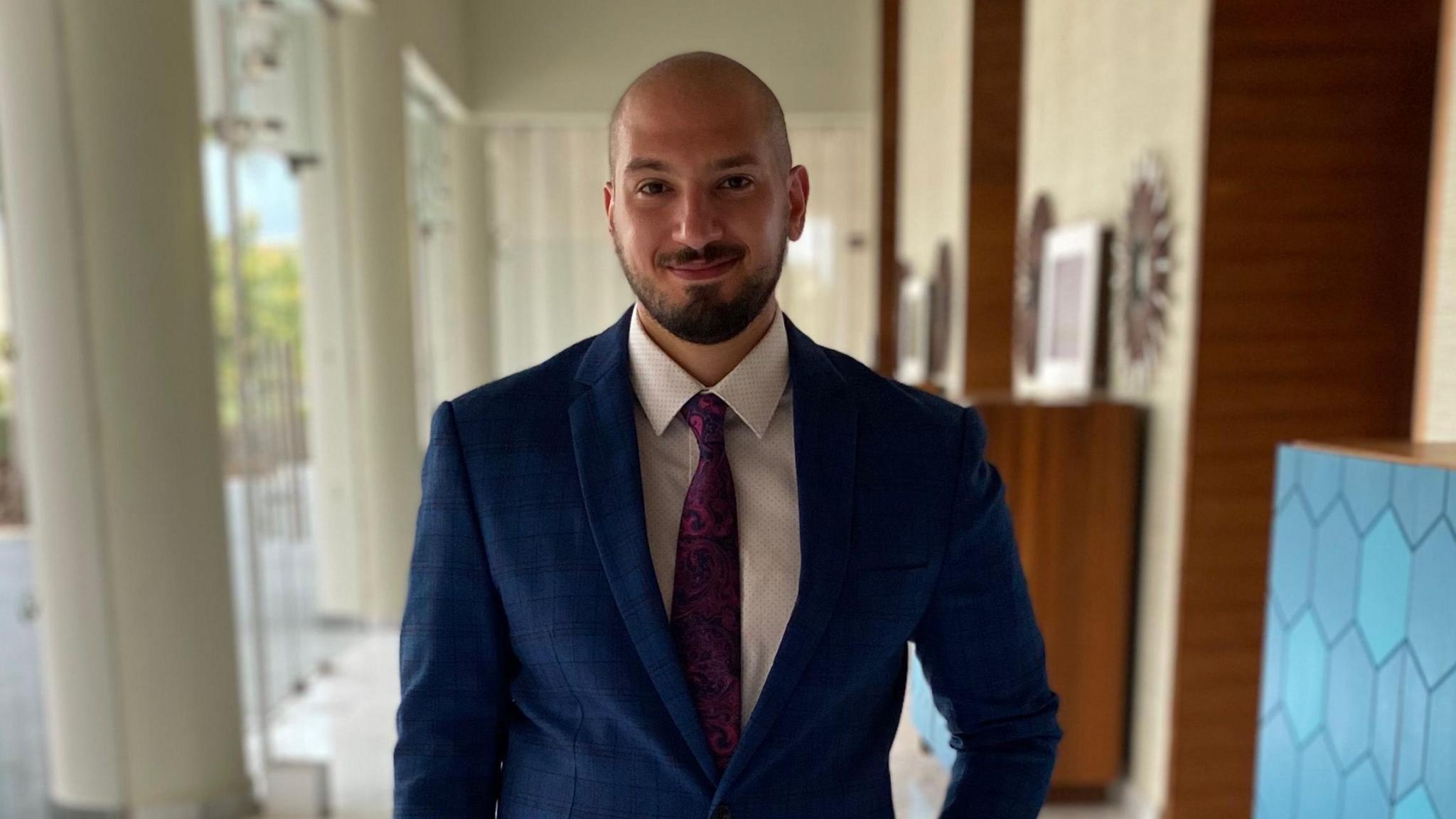
Geoff Perlman recently tested Tesla's latest FSD in Austin, Texas, noting that it manages lane adjustments and parking better than the average human driver. However, he emphasized he keeps his eyes on the road and refrains from texting while driving.
Elon Musk has stated that Tesla users might be allowed to text and drive with the company's software depending on the traffic context, though Tesla has not responded to requests for comments on this statement. Safety advocates warn that Musk's remarks could encourage risky, distracted driving.
Critics have highlighted concerns over Tesla's refusal to share safety data for independent review. In addition, US regulators have initiated investigations into Tesla's software reliability and the effectiveness of driver monitoring systems, prompted by reports of random braking incidents and failure to comply with traffic rules.
In a high-profile case, a Miami jury ordered Tesla to pay $243 million in damages related to a fatal 2019 crash involving Autopilot. Tesla is currently appealing this ruling.
Tesla has recently begun deploying robotaxis in Texas that operate without a human driver. While Tesla is advancing robotaxi technology, Waymo remains dominant in the space with over 2,500 fully driverless taxis. Eight companies have been approved in California to test unmanned cars, but Tesla has not been among them.
In Europe, regulators are actively evaluating FSD approval while demanding clear warnings to alert inattentive drivers. Musk aims for possible approval but experts caution that the rush to market FSD raises significant safety questions, specifically whether the technology can reliably perform the full range of driving tasks and sustain driver attention.
European regulators may require robust driver-monitoring measures before granting broad approval for FSD systems, highlighting ongoing concerns about safety and regulatory compliance.
Meanwhile, other companies like Waymo have faced recalls due to safety issues, and Ford is under investigation following fatal crashes linked to its hands-free driving system. Tesla's evolving approach to autonomous driving remains under close scrutiny by both regulators and safety advocates worldwide.