The Extraordinary Impact of a Cyber Attack on UK Growth Ahead of Budget 2025
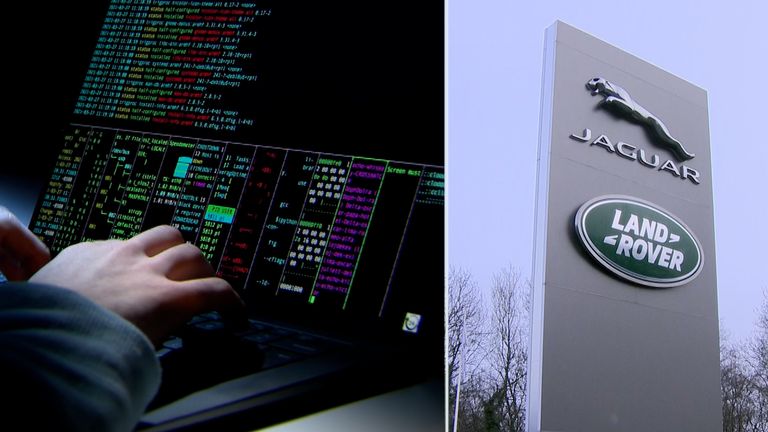
In late August, a cyber attack on Jaguar Land Rover halted production for more than a month, causing a significant disruption to the UK economy. This incident led to a 28.6% drop in car production in September, marking the largest monthly fall in modern records outside the pandemic period.
Had the hack not occurred, September's GDP would have grown by 0.1%; however, the actual GDP fell by 0.1%. Even if only half of this decline is attributed to the hack, it still signals a fall in official GDP figures ahead of the upcoming budget.
The event highlights the fragility of the UK economy, its heavy concentration in car manufacturing, and a GDP that was already near zero growth before the incident. This downturn impacts public finances directly, as lower output results in reduced tax revenue and a higher deficit. The Office for Budget Responsibility is expected to revise down underlying growth forecasts accordingly.
Chancellor Rachel Reeves faces significant budgetary pressures including funding winter fuel and benefits reforms, tackling long-term worklessness, safeguarding capital spending, and addressing global trade concerns. These challenges are compounded by the fact that the UK economy was already growing on a knife-edge, with a roughly 2.5% trend growth that is now under greater threat due to this incident.