The Guardian view on adapting to the climate crisis: it demands political honesty about extreme weather
Attribution science has increasingly linked climate change to extreme weather events. For example, Hurricane Melissa's 252 mph winds have become five times more likely; wildfires in Spain and Portugal are 40 times more likely; and England's June heatwave has become 100 times more likely due to climate change.
Adaptation funding remains a critical issue. At COP30 in Belém, the projection for annual adaptation funding has been raised to $120 billion, triple previous levels, with the deadline for reaching this target pushed to 2035. However, there is no clear mechanism for securing contributions from rich countries. Total climate finance pledged remains around $300 billion, consistent with COP29 in 2024.
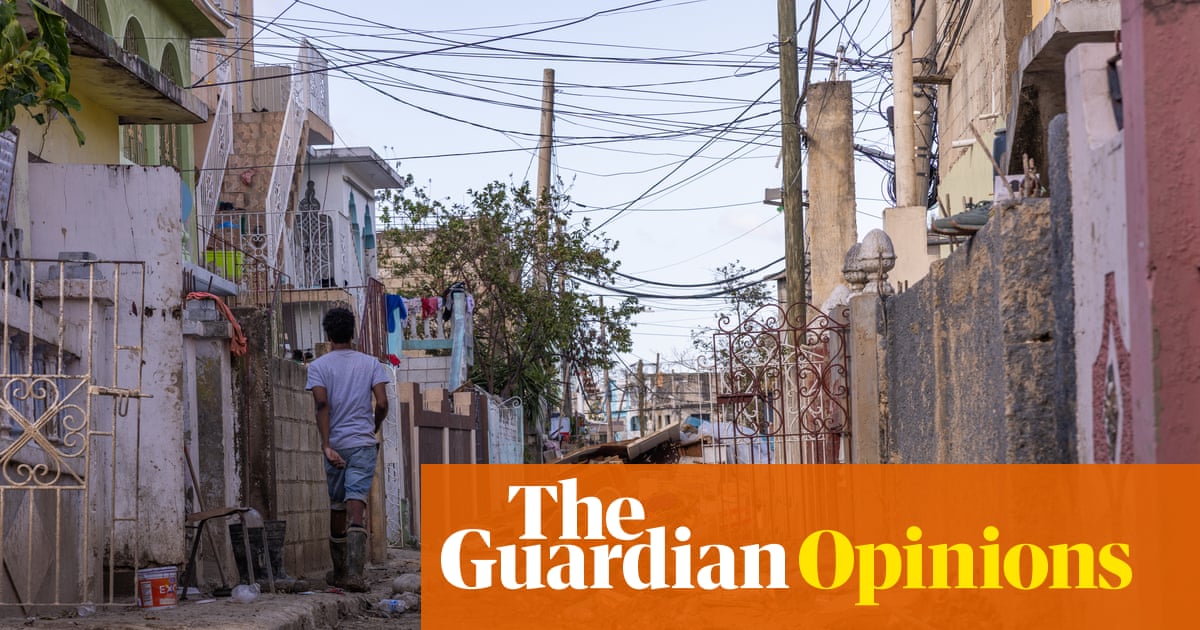
Developing countries continue to suffer from climate-related disasters. Floods and cyclones across Thailand, Sri Lanka, and Indonesia resulted in hundreds of deaths by the end of November. Heavily indebted nations like Jamaica face the risk of being trapped by debt, as adaptation funding is urgently needed but resources are diverted to immediate disaster response.
Globally, adaptation is often treated as a technocratic issue in wealthy countries. Meanwhile, right-wing governments oppose aid and the phasing out of fossil fuels. André Corrêa do Lago, COP30 president, has called for a 'COP of adaptation' to focus political attention on these issues.
In the UK, scientists organized a national emergency briefing on climate risk, highlighting concerns such as mismanagement in the water industry. Adaptation is increasingly framed as a political issue, with calls for greater public understanding. Resilience is sometimes outsourced to arm’s-length agencies.
The UK Climate Change Act obliges ongoing adaptation measures. The Climate Change Committee is tasked with defining a well-adapted country, including flood defenses, transport resilience, supply chain robustness, and coastal protection. The goal includes ensuring that 1.5 million homes in England are fit for the future.
UN estimates indicate that developing countries will require more than $310 billion annually for adaptation by 2035, yet only about $26 billion was received in 2023. National adaptation plans should be foregrounded in Nationally Determined Contributions (NDCs) to prioritize adaptation alongside emissions reductions. This reflects the origins of adaptation as an area of climate justice and calls for real finance commitments.