The Impact and Effectiveness of Protests in US History
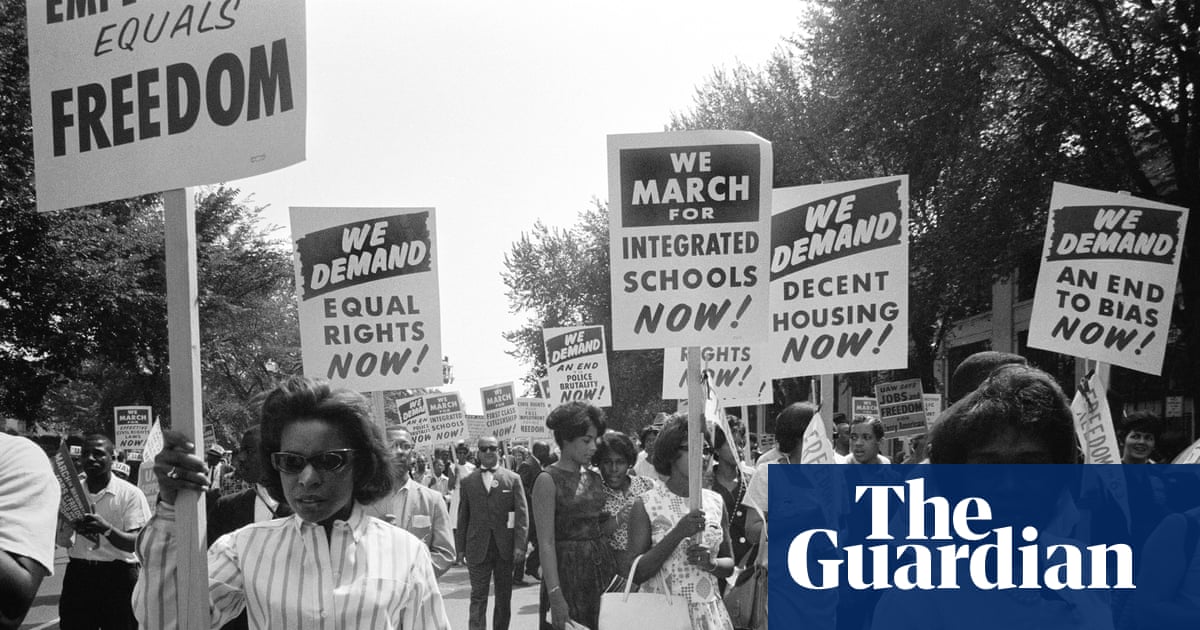
Protests have played a significant role in shaping US history, influencing legislation and social attitudes from the era of emancipation to the contemporary Black Lives Matter movement.
One notable example is the 2017 Women’s March, which attracted more than 500,000 participants in Washington, DC, and up to 4 million nationwide. This large-scale protest catalyzed broader activism and inspired subsequent movements such as #MeToo. It also contributed to increased political engagement, with over 500 women running as candidates in the 2018 midterm elections—nearly doubling the number from 2016.
Research demonstrates a link between protest participation and electoral outcomes. Areas with protests saw higher voter turnout and greater support for Democratic candidates, while Tea Party protests in 2010 correlated with increased Republican support.
Scholars Chenoweth and Stephan propose the "3.5% rule," suggesting that peak participation by 3.5% of the population can topple regimes. Importantly, it is peak participation—not cumulative numbers—that matters, and nonviolent campaigns can achieve success with even lower participation rates.
Protests help build organizational strength and forge coalitions, often expanding membership, funding, and media attention necessary for future activism. The consistent finding is that nonviolent protests are more effective, while violence by protesters or counter-protesters tends to undermine public support, as seen in incidents like Charlottesville in 2017.
Beyond immediate political impacts, protests positively affect participants' well-being and sense of efficacy, fostering ongoing activism even when policy changes are slow to materialize. These movements can have long-term cascading effects that contribute to sustained social change.
