The Influence of Nicknames in Professional Darts
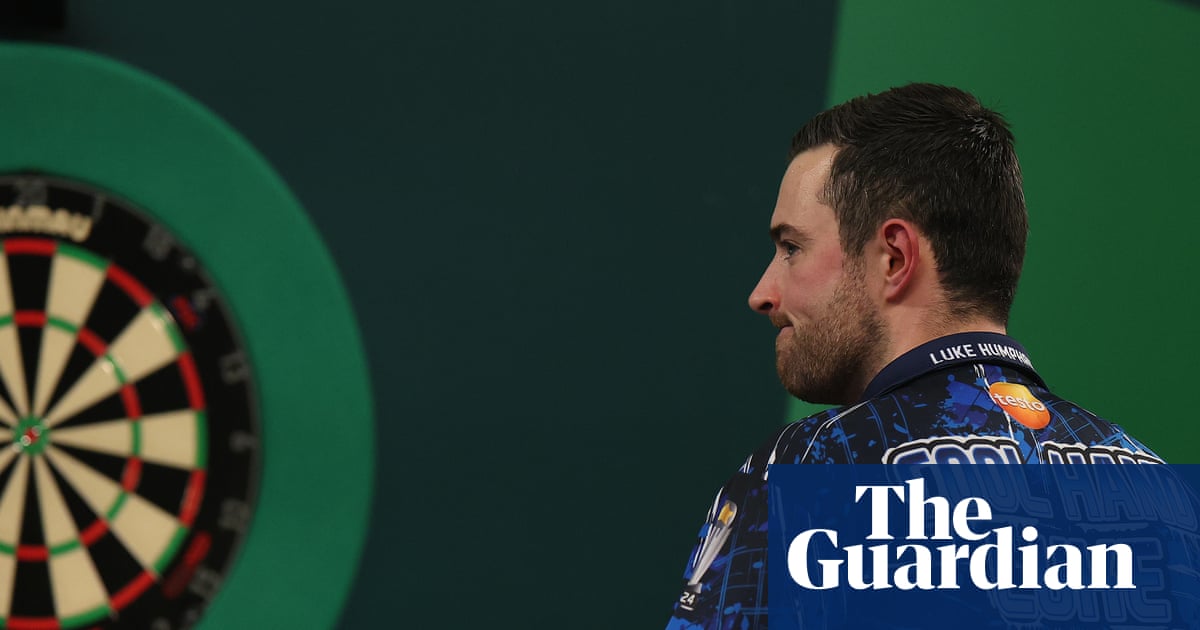
Luke Humphries earned the nickname Cool Hand after a September 2017 best-of-nine match against friend Martin Lukeman in Wigan; the loser had to rethink his nickname, as Lukeman had been calling himself Cool Man. The Cool Hand identity is tied to Humphries' composure under pressure and has become a defining stage and sporting persona.
Nicknames in the Professional Darts Corporation (PDC) are often developed collaboratively between players, agents, and the PDC publicity department to support branding and marketing efforts. Examples of player nicknames include Smudger (Ross Smith), Woody (Luke Woodhouse), Rocky (Josh Rock), The Barber (Ryan Meikle), The King (Mervyn King), and Hollywood (Chris Dobey). Some are based on nationality or life history, like The Polish Eagle, El Dartador, The Royal Bengal, and The Panda Man.
Certain nicknames have faced vetting and have been dropped if deemed unsuitable for a global audience, such as The Magnet (Tim Pusey) and The Master (Owen Bates). The branding process also involves broadcast and agency input; for example, Phil Taylor's The Power was coined by Sky Sports production manager Peter Judge, while Dirk van Duijvenbode's Aubergenius originated from commentator Dan Dawson, and Daryl Gurney’s moniker Superchin came from his agent.
The piece argues that great nicknames transcend simple jingles by shaping public perception and driving merchandising opportunities. Historic examples include Snakebite (Peter Wright), The Crafty Cockney (Eric Bristow), The Count (Ted Hankey), and The Viking (Andy Fordham). Current standout nicknames include The Bullet (Stephen Bunting) and Luke Littler as The Nuke, illustrating the branding power and importance of modern darts nicknames.