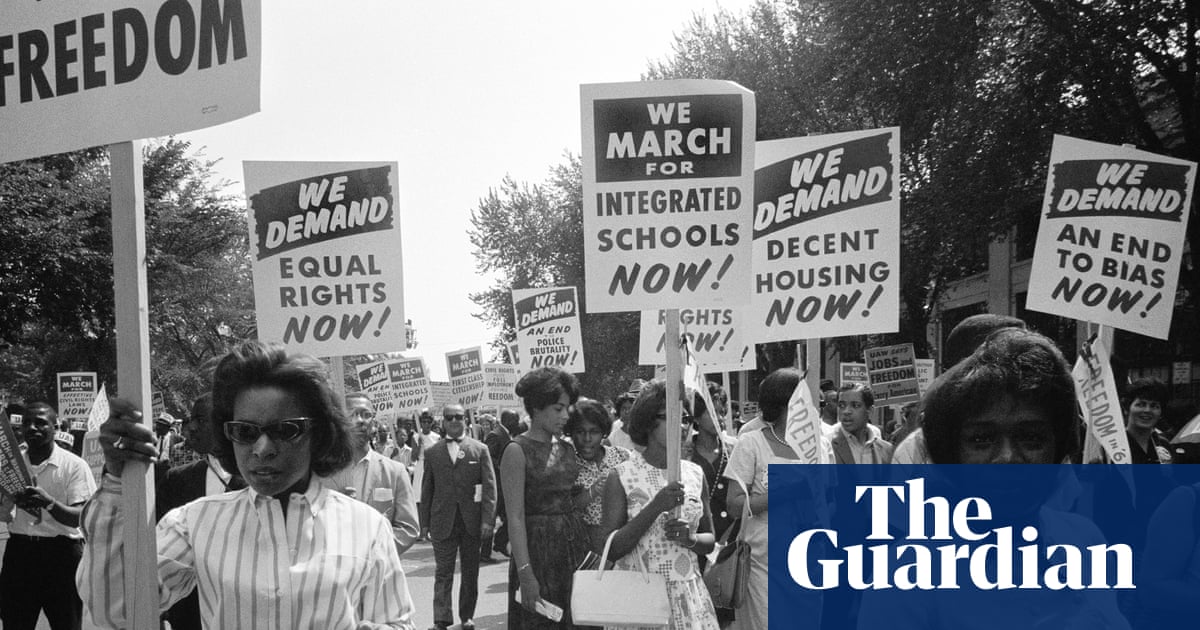
The Lasting Impact and Effectiveness of Protests in US History
Historians and political scientists recognize protests as highly effective tools that have shaped US history, influencing key legislation and social attitudes from emancipation to Black Lives Matter. Protests have driven progress on women's suffrage, desegregation, same-sex marriage, and shifted views on bodily autonomy, inequality, and race.
Protest-driven mobilization has also influenced elections. For instance, the 2017 Women's March, which drew about 500,000 participants in Washington DC and up to 4 million nationwide, sparked a surge of female candidates in the 2018 elections. Additionally, protest turnout correlates with political shifts, such as moves toward Democrats in some counties, while Tea Party protests were associated with increased Republican support in 2010.
Scholars Erica Chenoweth and Maria Stephan proposed the 3.5% rule, suggesting that peak participation of roughly 3.5% of a population can topple regimes. This rule highlights peak, not cumulative, participation and notes that nonviolent campaigns often succeed with even less involvement.
Participation in protests tends to foster lifelong civic engagement and organizational growth. Joining a single protest makes people more likely to engage again, helps build networks and coalitions, and can enhance a group's size, funding, and visibility, especially in smaller communities.
Nonviolence is a crucial factor in protest effectiveness. Civil rights-era tactics and discipline garnered sympathy and public support, while violence from authorities or counter-protesters often reduces support and can undermine causes. Destructive tactics risk backfiring.
Protests also bolster participants' sense of efficacy and belonging. They offer identity, community, and emotional validation that can endure beyond immediate policy victories, exemplified by groups like Act Up influencing participants' self-perception.
The effects of protests are often gradual and best understood historically. Movements tend to produce a long-term 'subtle cascade' effect rather than immediate, single-law outcomes.