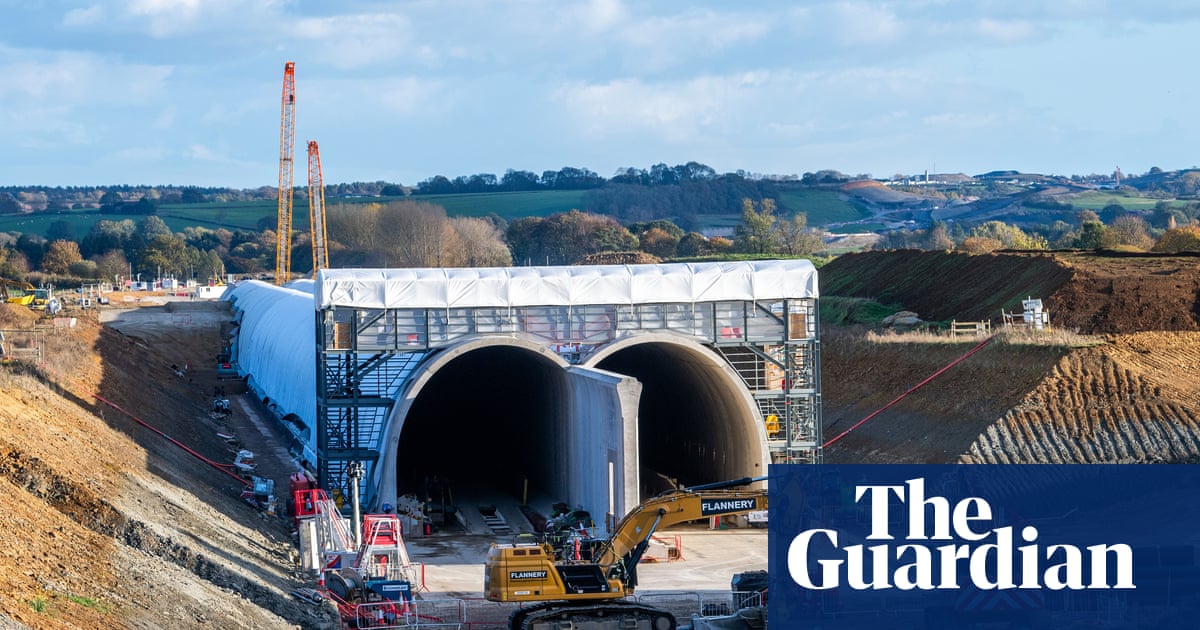
The Real Cost and Impact of HS2: England's Controversial High-Speed Rail Project
HS2 is a 140-mile high-speed rail line planned to link London and Birmingham. Initially conceived to extend to Leeds by 2021 and Manchester by 2023, these extensions were canceled, refocusing the project on increasing capacity and easing overcrowding rather than providing ultra-fast long-haul travel. Construction began in 2020 and by the end of 2025, earthworks were nearly 70% complete. Subsequent stages include installing track, electrics, signalling, and testing, expected over several more years.
Managed by HS2 Ltd, a government-owned company funded through taxpayers, the project's cost per mile is estimated to approach £1 billion, potentially making HS2 the most expensive railway ever built. For comparison, HS1 cost about £51 million per mile in nominal prices (approximately £87 million per mile today).
The route is notable for its engineering features, including 52 major viaducts and five tunnels that total over 40 miles. Among these is the Colne Valley viaduct near Harefield, which spans 2.1 miles. Environmentally, HS2 incorporates extensive habitat creation and conservation efforts, involving 3 million tonnes of chalk used to establish chalk grassland, 127 hectares of habitat restoration, planting 30,000 trees since 2017, and constructing 14 ponds with wildlife features. Officials emphasize that these enhancements exceed legal requirements and constitute habitat gains.
Despite these measures, local residents along the route report disruption and express concerns about compensation. Land is acquired under temporary possession orders with payments that may not fully reflect market values, fueling opposition to the project. Public support remains generally low, even as political backing across parties endures. The project’s rationale has evolved from prioritizing ultra-fast travel to focusing on expanding capacity and relieving existing network congestion, with maximum speeds now reduced to around 225 mph.