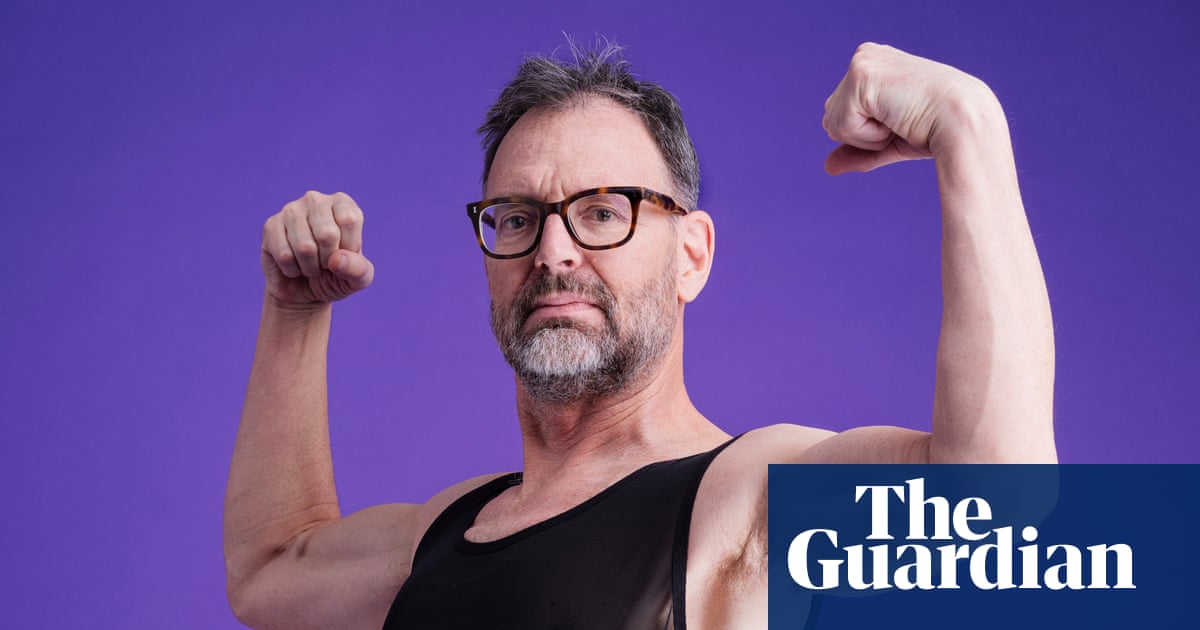
The Reluctant Rise of Shapewear for Men: Market Trends and Personal Trials
A Guardian article dated December 14, 2025, explores the slow emergence of shapewear for men, highlighting both market data and personal experiences with compression tops.
Male shapewear currently comprises less than 7% of the approximately $3 billion shapewear market in 2024. The overall shapewear market is projected to grow to $4.3 billion by 2030, with combined shapewear and compression wear expected to reach about $8 billion by the same year.
Despite this growth potential, large brands have shown hesitancy in fully committing to men's shapewear lines. Spanx, which relaunched its men's shapewear in 2021 and 2024, presently has no male shapewear offerings on its website. Similarly, Skims introduced a men's line in 2023 but has yet to deliver shapewear products for men as of 2025.
Conversely, Marks & Spencer has launched a men’s shapewear collection featuring a 'Secret Support' front-pouch aimed at enhancing the male silhouette. Niche brands like Esteem Apparel, TAILONG, and QORE Logiq maintain seven-figure sales on Amazon, and online searches for 'male shapewear' increased by 40% between 2024 and 2025, according to ShelfTrend.
The London Corset Company has expanded its male shapewear range, considering in-house manufacturing due to growing demand, while Colombian brand Leonisa offers a men's shapewear collection known as Leo.
There is a notable overlap between shapewear and compression wear, with differentiation often related to elastane content—examples include the author's trial compression top with approximately 16% elastane versus Skims' waist cincher containing about 39%. The main distinction for many consumers lies in the degree of shaping provided.
Historically, the desire to shape the male form is longstanding, with 18th-century foundational garments using steel elements to force posture, indicating social shaping ambitions beyond purely medical needs.
The author's personal trial of compression wear was uncomfortable, evoking sensations of being encased and breathless, which may explain the cautious uptake and reluctance among some men to publicly admit wearing shapewear.