The Second China Shock is Coming and the UK's Response is Too Timid
China is positioning itself to lead advanced technologies including electric vehicles, batteries, semiconductors, biotechnology, robotics, and artificial intelligence through a state-directed industrial policy. The upcoming 15th Five-Year Plan, to be unveiled at the National People’s Congress in March, and the recent Central Economic Work Conference, highlight 2026 priorities such as strengthening domestic demand and boosting household consumption and income. However, progress on consumption has been limited and is seen primarily as a demand issue.
China's policy framework aims to dominate the fourth industrial revolution by mid-century, intending to dislodge the United States and establish a governance system aligned with China’s political preferences. Tensions exist between boosting domestic consumption and supporting industrial policy, which may result in overproduction, excess capacity, and deflationary pressures; notably, China's GDP deflator has fallen for ten consecutive quarters.
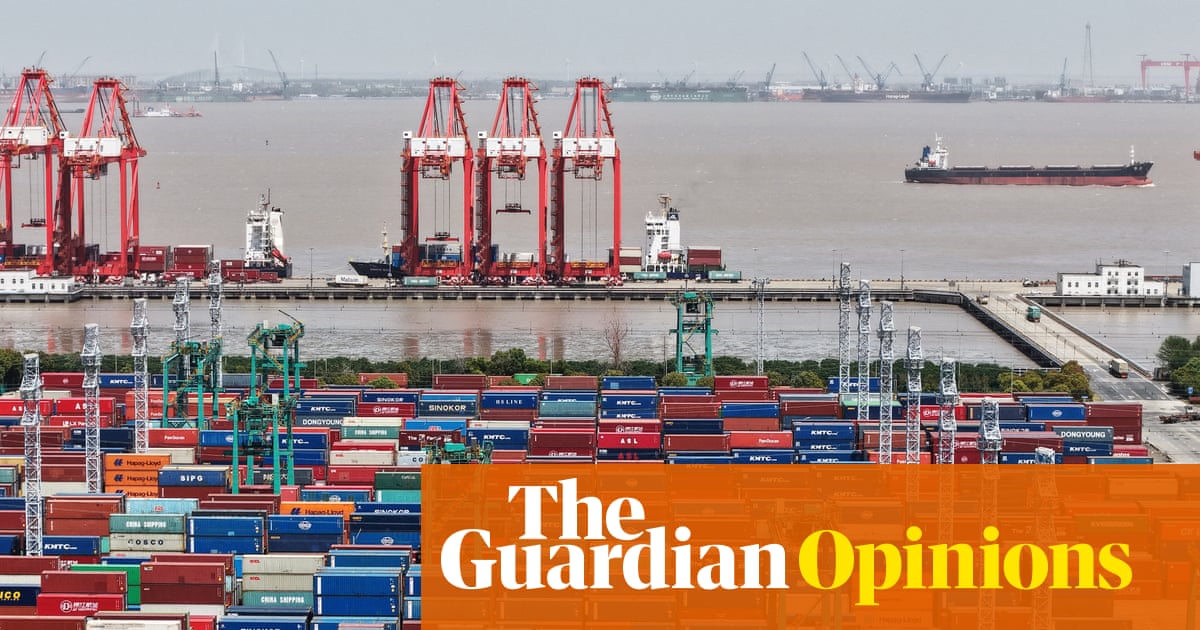
This year, China runs approximately a $1 trillion trade surplus in goods, with roughly one-third of that surplus with Europe and the UK. Exports have surged by 50% since 2022, while imports have risen only slightly. The real effective exchange rate is about 20% weaker compared to three years ago, and despite IMF recommendations to reverse its yuan policy, Beijing maintains currency stability.
European leaders, including Emmanuel Macron, have described China’s export surge as a critical issue for European industry. In response, the EU has imposed tariffs on Chinese electric vehicles and established an import surveillance mechanism. In contrast, the UK’s response has been more timid. The UK government is coordinating with the EU on steel policy, and the Trade Remedies Authority, under Peter Kyle, is set to launch investigations into unfair practices.
Labour leader Keir Starmer plans a visit to China in late January to discuss non-security topics. However, progress is not expected to mirror Macron’s approach. The article suggests the UK should focus on understanding the implications of this second China shock rather than framing it through mercantilist perspectives.