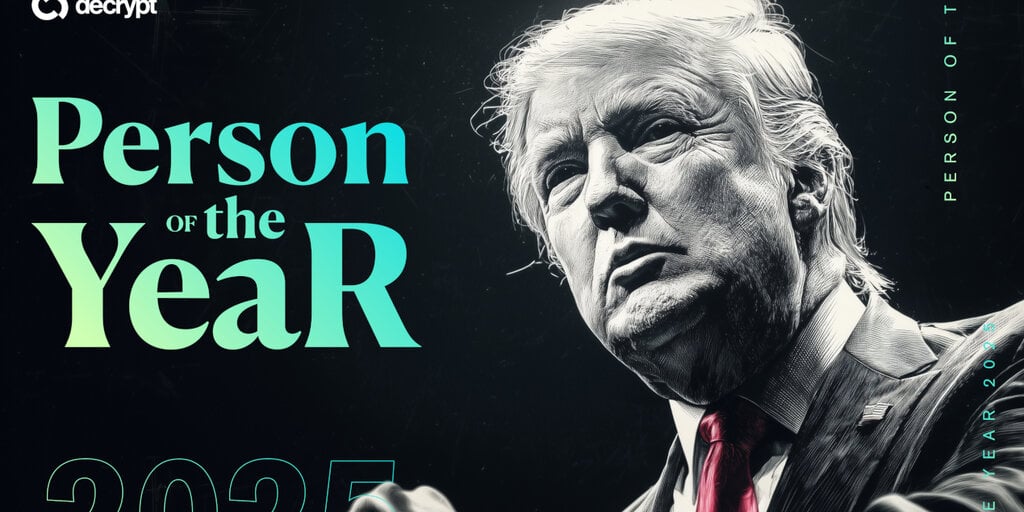
Trump Administration's 2025 Crypto Policy Push Raises Conflicts and Civil Liberty Concerns
The Trump administration's approach to cryptocurrency policy in 2025 has significantly reshaped U.S. policy but has also raised concerns about conflicts of interest and civil liberties. Central to this policy shift was the passage of the GENIUS Act, which created a legal framework for issuing and trading stablecoins. This legislation was framed as a measure to boost U.S. Treasury demand and the strength of the dollar, rather than being Bitcoin-focused.
The administration's Department of Justice aggressively prosecuted developers of privacy tools. Keonne Rodriguez of Samourai Wallet was sentenced to five years, William Longeran Hill received a four-year sentence, and Roman Storm, a Tornado Cash developer, was also charged. Although Deputy Attorney General Todd Blanche initially directed prosecutors in April to pause pursuing cases against intermediary privacy tools, subsequent actions sought maximum sentences, reflecting mixed messaging from the administration.
The White House has pledged opposition to a central bank digital currency (CBDC), with critics arguing that Bitcoin remains central to civil liberties goals. Despite denials of conflicts of interest, industry figures claim that Trump's crypto agenda benefited family investments in crypto ventures.
The Bitcoin Policy Institute expanded to around 20 staff members and played a key role in establishing a federal strategic Bitcoin reserve, established through a March executive order. Meanwhile, a House-passed crypto market structure bill aimed to protect privacy tools from being designated as unlicensed money transmitters. However, its passage in the Senate remains uncertain due to midterm gridlock and potential impeachment debates.
Policy leaders have expressed concerns that aligning Bitcoin with the administration may undermine Bitcoin's ideological mission, even as the industry gains short-term regulatory advantages under the new framework.