Trump Administration's Disaster Response and Preparedness in 2025 Faces Severe Challenges
During the first year of Donald Trump's second term, significant budget cuts and mass firings severely weakened key agencies responsible for disaster response and forecasting, including FEMA, NOAA, and national weather data networks. This erosion undermined disaster preparedness and forecasting capacity across the United States.
The administration pursued a plan to reduce reliance on FEMA by shifting disaster management responsibilities to the states. A leaked taskforce report that proposed largely gutting FEMA intensified concerns and prompted calls for congressional oversight.
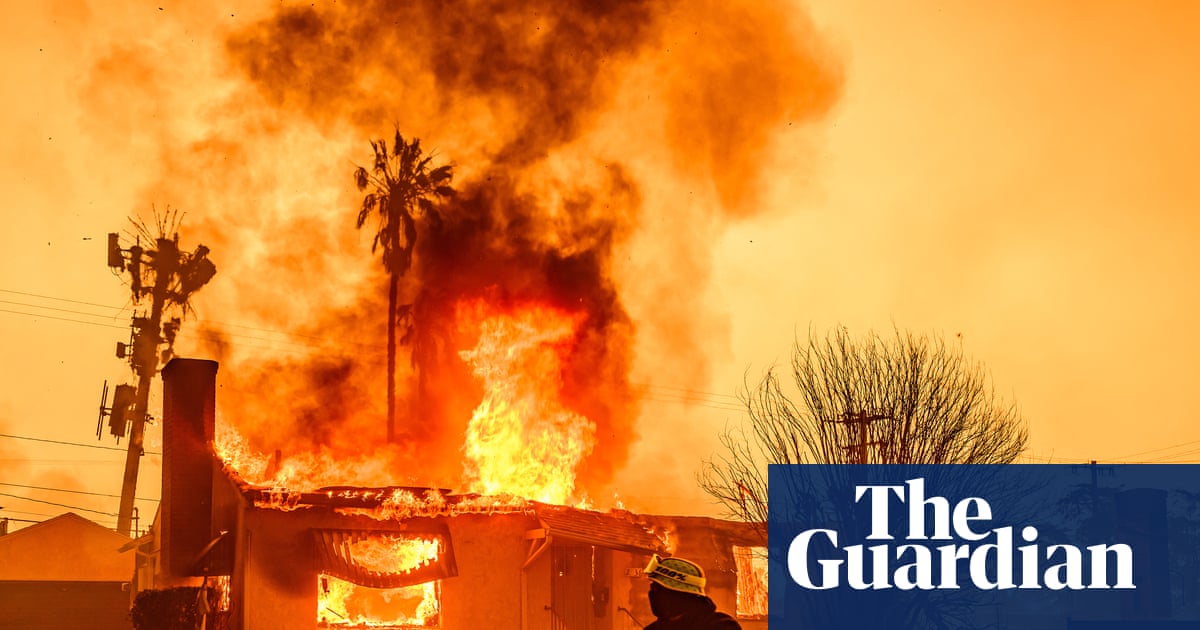
The disaster year of 2025 was marked by three Category 5 hurricanes, record humidity and heat levels, as well as deadly fires and floods, all of which exposed critical vulnerabilities in the nation's preparedness systems.
FEMA's operational capacity collapsed amid hundreds of millions of dollars in cuts to preparedness funding, loss of roughly a third of full-time staff, instability in leadership with multiple acting administrators, and disbanded advisory councils. Additionally, spending controls hindered rapid response efforts.
NOAA experienced a significant workforce exodus leaving thousands of positions vacant. By spring, a quarter of National Weather Service (NWS) forecast offices lacked chief meteorologists, weather balloon launches were reduced, and by September one-seventh of NWS workers had left. By December, only 80 final job offers had been accepted to refill these positions, totaling approximately 270.
These combined challenges posed considerable risks to the nation's ability to effectively manage and respond to natural disasters during a particularly severe year.