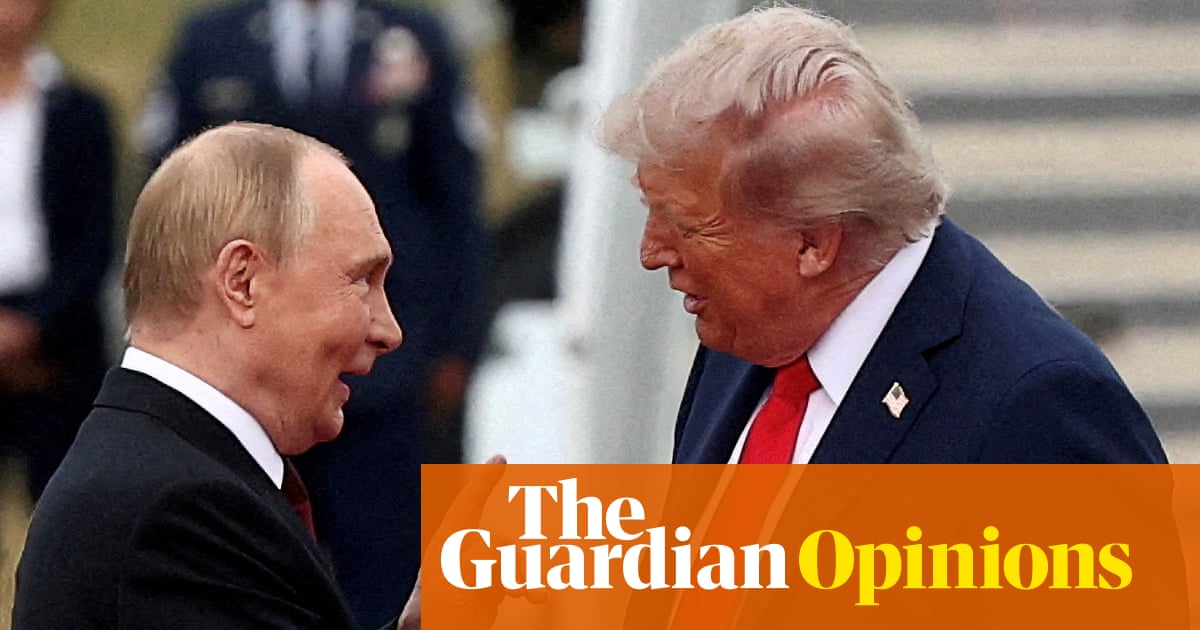
Trump and Putin: Competing Strategies Undermining Europe's Liberal Order
The 2025 Guardian article by Henry Farrell and Sergey Radchenko of Johns Hopkins University analyzes the parallel ambitions of Vladimir Putin and Donald Trump toward Europe and the global order. Putin's invasion of Ukraine is portrayed as an effort to regain Russia's global status and to be feared if not respected. Similarly, Trump's stance toward Europe is seen as driven by a craving for status and respect, aiming to disrupt the liberal order that others view with disdain.
The US's postwar liberal order was built upon democracy, the rule of law, and soft power, exemplified by initiatives like the Marshall Plan which helped rebuild Western Europe. The European Union's development and expansion remain anchored in these liberal-democratic values endorsed by the US-led order after the collapse of the Soviet Union. However, Trump's strategy involves intervening in Europe and promoting nationalist, far-right currents. Although he claims to sustain soft power, his approach actually undermines multilateralism.
Trump's administration threatens punitive measures against Europe, including visa bans on certain actors and pressuring regulation of platforms such as X. Moreover, it aims to recalibrate US engagement with Europe while retreating from NATO commitments. The authors warn that this contradictory approach of hollowing out the US security and foreign-aid complex yet seeking to reshape Europe risks undermining America's own power.
Using Brazil's experience under Bolsonaro as a cautionary example, the article argues that backing far-right forces can backfire. Both Trump and Putin, described as spoilers, lack the capacity to reshape Europe fundamentally. The conclusion stresses that while both leaders seek prestige, the US cannot maintain global influence by dismantling its liberal-order commitments and soft power, as doing so would erode its credibility among liberal democracies.