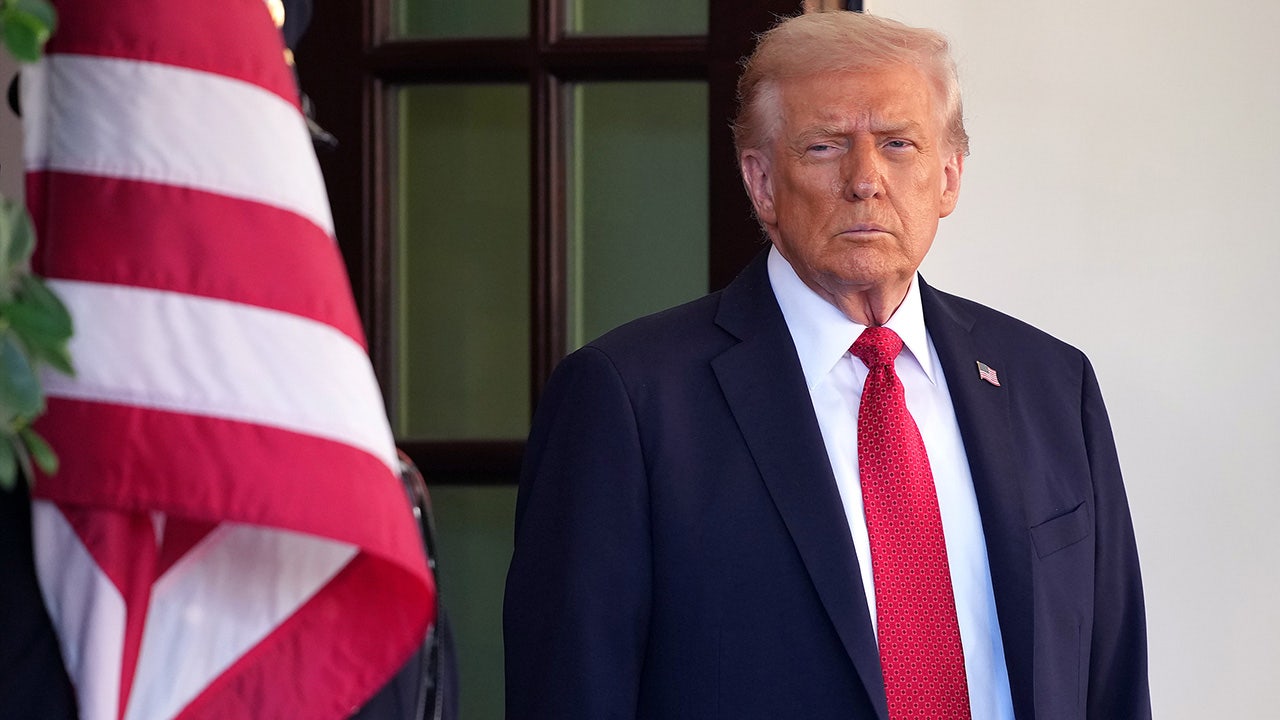
Trump's Healthcare Negotiations and Filibuster Push Gain GOP Attention Amid Deadlines
Former President Donald Trump has largely stayed on the sidelines during active GOP negotiations aimed at uniting the party around a healthcare proposal. This hands-off approach contrasts with his usual engagement level, as Senate Republican leaders work to craft a plan within about two weeks before federal subsidies used by Obamacare enrollees expire at the end of the year. Republicans are considering whether to extend COVID-era premium subsidies, which currently assist about 90% of the 24 million Obamacare enrollees, versus pursuing broader reforms to reduce healthcare costs.
Senator John Hoeven indicated that Trump is allowing space for negotiators to work and may become more involved if a comprehensive reform effort gains traction, and Representative Andy Harris expects Trump to engage later to help build consensus, potentially at the start of a larger reform package. Analysts note it is early in the process, and presidents often withhold engagement amid party divisions, though Trump historically has struggled to unite Republicans on major initiatives. Some, like Representative Massie, suggest the White House may lack a clear direction regarding subsidy extensions; the White House did not respond to comment requests.
Concurrently, Trump has urged Republican senators to eliminate the Senate filibuster, seeking to reduce the threshold for passage from 60 votes to a simple majority. This push has gained traction amid approaching funding deadlines and frustration over a recent 43-day government shutdown. Senator Roger Marshall, who had previously opposed ending the filibuster, is reconsidering in response to the shutdown and slow appropriations process.
Despite some shifting views among Republicans, such as Senator Markwayne Mullin advocating limited filibuster reform reflecting reciprocity with Democrats, opposition remains. Senate Majority Leader John Thune opposes scrapping the filibuster, while other senators like Bernie Moreno and John Kennedy favor alternative strategies including budget reconciliation, under which Republicans have passed major legislation earlier this year.
The filibuster remains a significant tool for the minority party to block partisan legislation and contributes to challenges advancing GOP priorities, including healthcare measures related to Obamacare. As Republicans debate their strategy, both the healthcare negotiations and the filibuster reform effort highlight internal party dynamics amid looming deadlines.