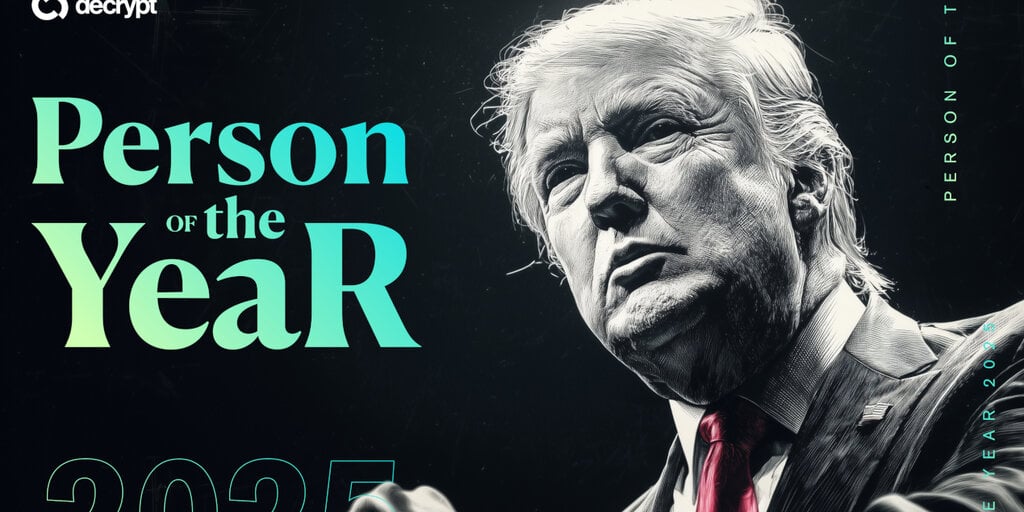
Trump's Impact on U.S. Crypto Policy in 2025
Donald Trump's pro-crypto agenda has significantly reshaped U.S. policy, reducing barriers between digital assets and the traditional economy while positioning cryptocurrency as a national priority.
During his influence, the GENIUS Act passed the House, establishing a legal framework for issuing and trading stablecoins, though its status in the Senate remains uncertain. Critics argue the Act solidifies stablecoins as a foundational aspect of U.S. economic policy.
The White House, through executive order, established a federal strategic Bitcoin reserve, signaling formal government adoption of Bitcoin as a reserve asset.
The Bitcoin Policy Institute grew from 3 to about 20 employees, becoming a key player in Washington D.C. crypto lobbying with access to Capitol Hill and the White House.
However, the Department of Justice prosecuted privacy tools like the Samourai Wallet on Bitcoin and Tornado Cash on Ethereum as unlicensed money transmitters. Two developers were convicted and sentenced—Rodriguez received five years, Hill four years. Privacy advocates warn these prosecutions hinder the development of blockchain privacy tools and threaten Bitcoin's ability to operate as a censorship-resistant system.
The White House denies any conflicts of interest related to the Trump family's crypto investments, maintaining that executive actions and legislation intend to make the U.S. the crypto capital and foster innovation.
Midterm political dynamics risk stalling crypto legislation. Potential impeachment discussions in a new House majority could shift focus and priorities away from crypto policy.
Within the industry, leaders are divided: some see advantages in collaborating with Trump on civil-liberties protections, while others fear reputational damage to Bitcoin and broader decentralization goals.