Trump’s Military Escalation in Venezuela Evokes Historical US Imperialism
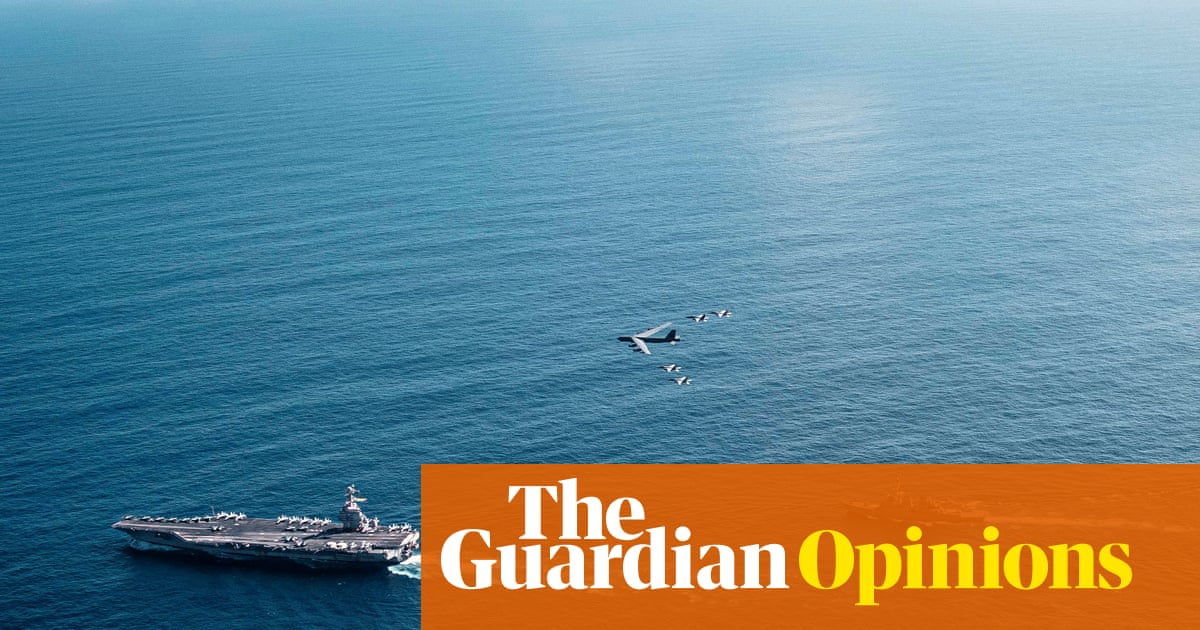
The Trump administration has deployed an unprecedented US naval and air presence in the Caribbean around Venezuela, including an aircraft carrier, destroyers, cruisers, amphibious ships, a special forces support ship, bombers, fighters, drones, and patrol planes. This build-up is described as the largest US military display in the region since the 1989 Panama invasion.
Actions escalate with the targeting of boats, efforts to close Venezuelan airspace, and the seizure of an oil tanker on December 10, which was attributed to illicit oil shipping networks allegedly supporting foreign terrorist organizations. However, questions remain about how these actions effectively curb drug flows.
The motives behind the escalation are unclear, with speculation ranging from punishment of President Maduro for Venezuelan migration outflows to attempts to control the nation's oil resources. In a Politico interview, Trump also suggested possible military action in Mexico and Colombia to stop drug trafficking.
This approach has been described as saber-rattling and gunboat diplomacy, echoing 19th and early 20th-century US imperialism. Historical parallels include the US involvement in Panama in 1903 and Veracruz in 1914, alongside multiple early-20th-century deployments in Central and South America. Cold War-era CIA-backed coups in Guatemala in 1954 and Chile during the 1970s are cited as examples of interventions with long-term negative consequences.
Criticism has come from various quarters, including calls for Congress to push back and for the Organization of American States (OAS) to condemn US actions. The International Federation on Human Rights has condemned the intervention as a violation of Venezuela's right to self-determination.
The current national security strategy prioritizes maintaining US preeminence in the Western Hemisphere, signaling a shift away from a liberal international order toward greater regional dominance, raising concerns over risks to regional stability.