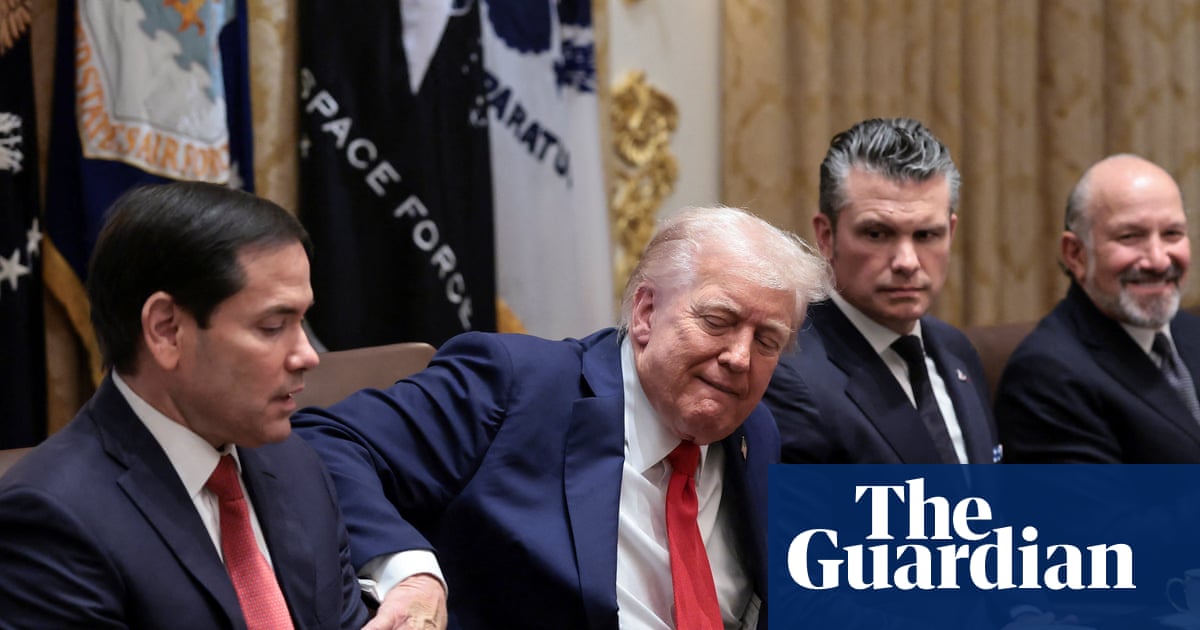
Trump's Second Term Cabinet Marks Shift to Stability and Loyalty
Since January 2025, Donald Trump's second term as president has been marked by a comparatively stable cabinet, contrasting with the first term where turnover reached historic highs. This change highlights a shift in leadership style, with the administration maintaining a largely intact cabinet.
Trump publicly praises his cabinet, describing it as fantastic and dismissing reports of dissatisfaction with key members such as Defense Secretary Pete Hegseth and Homeland Security Secretary Kristi Noem.
Critics argue that this stability reflects a prioritization of personal loyalty over institutional independence, describing the cabinet as built on "loyalty über alles." Cabinet members have come under scrutiny for various individual actions, including Hegseth's use of the Signal app and Caribbean operations; Noem's spending and ongoing feud with border czar Tom Homan; as well as questions surrounding FBI Director Kash Patel and Director of National Intelligence Tulsi Gabbard.
The administration's closest call with dismissal occurred when Mike Waltz was replaced by Marco Rubio as National Security Adviser. Rubio was later appointed US Ambassador to the United Nations, illustrating the networks of loyalty within the administration.
Senate confirmations for replacements during this term may face challenges due to falling approval ratings and the upcoming midterm elections; previous confirmations for hurried replacements such as Hegseth, Gabbard, and Robert F. Kennedy Jr. passed by very narrow margins. Beyond firings, the Trump administration has also purged holdovers from advisory councils and overseen the Department of Justice's dismissal of dozens of career prosecutors, signaling a different form of turnover within government ranks.