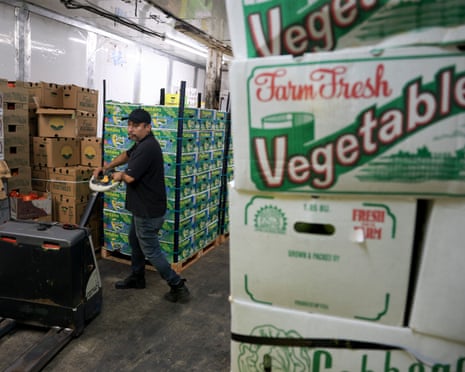
Trump Signs Executive Order Lowering Tariffs on Food Imports Amid Inflation and Political Pressure
Former President Donald Trump has signed an executive order to lower tariffs on food imports, including beef, tomatoes, coffee, and bananas, with retroactive effect starting midnight on November 13, 2025. The order exempts over 100 food products from tariffs, particularly those that cannot be produced domestically in sufficient quantities. The White House released a list of these exemptions covering items such as coffee, cocoa, tea, vanilla, various fruits including avocados, bananas, coconuts, mangoes, tomatoes, as well as a wide range of spices, nuts, grains, and roots.
This move marks a sharp reversal of Trump's previous stance, as he had earlier claimed that tariffs do not fuel inflation. The rollback aims to lower consumer prices amidst rising grocery costs and inflation concerns, a political issue highlighted during recent Democratic wins in Virginia, New Jersey, and New York City where affordability was key. Trump claimed that the exemptions would cause price reductions for some items to occur quickly but suggested that further rollbacks were unlikely.
The action modifies the scope of reciprocal tariffs previously set by Trump, which included a 10% base tariff with state-specific additional duties. It also coincides with ongoing trade negotiations, with related deals resulting in tariff cuts like the reduction on Swiss imports from 39% to 15%, and agreements to eliminate tariffs on foods from Argentina, Ecuador, Guatemala, and El Salvador, pending finalization.
The White House factsheet asserts that modifying reciprocal tariffs strengthens the US economy and national security amid progress in reciprocal trade talks. Additionally, import taxes on coffee and bananas will be lowered under trade deals with four Latin American countries, with a $20% reduction in coffee prices pledged this year.
Critics, including Representative Richard Neal, argue that tariffs increased inflation and harmed manufacturing industries, though the White House attributes any cost rises primarily to policies enacted by President Biden. Public impact assessments highlight persistently high grocery prices, with economists noting that tariffs contribute to these costs and that price increases may continue as duties are passed through to consumers. A Harris poll cited a majority of respondents reporting monthly increases in grocery expenses ranging from $100 to $749.