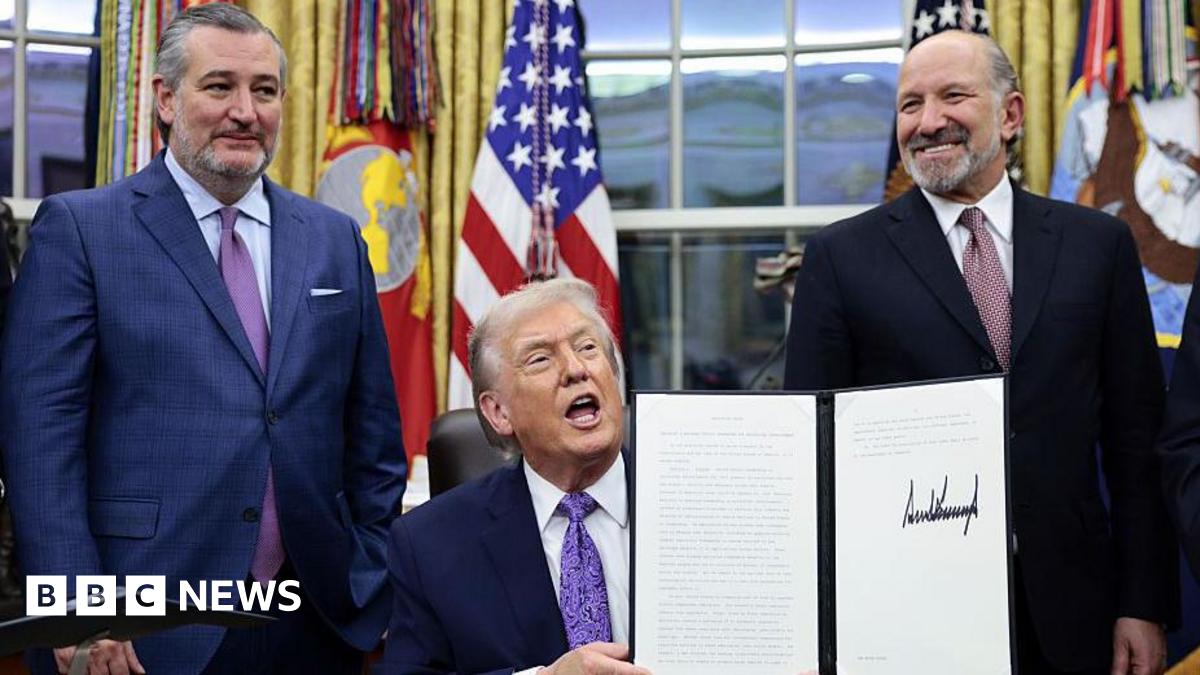
Trump Signs Executive Order to Centralize AI Regulation and Pre-empt State Laws
Former President Donald Trump has signed an executive order aimed at blocking states from enforcing their own artificial intelligence (AI) regulations, establishing a centralized federal approval framework. This order intends to provide tools to pre-empt state rules and apply a uniform standard nationwide, while still allowing specific regulations related to children's safety.
The U.S. currently lacks a national AI law, with more than 1,000 AI-related bills introduced across states and 38 states enacting about 100 AI regulations this year. Examples of state rules include California's requirements for chatbot transparency and risk-planning for large AI developers, North Dakota's ban on AI-powered robots stalking or harassing individuals, Arkansas' restrictions on AI-generated content infringing intellectual property, and Oregon's ban on non-human entities using licensed medical titles.
Proponents of the executive order argue that a national approach supports U.S. leadership in AI and reduces the patchwork of state rules that could hinder innovation amid global competition with China. Industry response has included praise from organizations such as NetChoice. Analyst Michael Goodyear noted the potential value of a single federal law if it is well crafted. However, major AI firms like OpenAI, Google, Meta, and Anthropic did not respond at the time of publication.
Critics argue that state safeguards remain necessary to protect residents and contend that pre-emption undermines state rights and protections. Advocates and California Governor Gavin Newsom have voiced criticism of the move, highlighting concerns over the federal order's impact on existing state regulations.