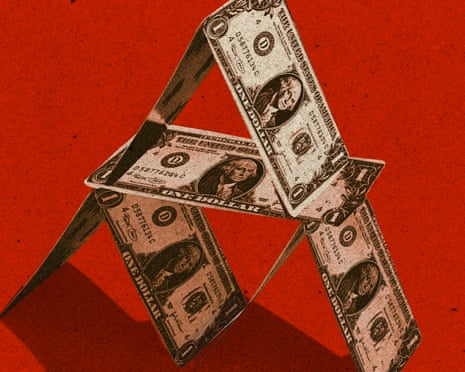
Trump Trade Policies and the Dollar's Reserve Status: Risks and Economic Implications
Some aides of former President Trump reportedly seek to weaken the US dollar and expand its use globally. Economist Stephen Miran argues that the dollar's reserve currency status burdens the US economy, driving a large current account deficit due to dollar overvaluation. A debasement of the dollar could occur through deliberate policy choices or incompetence, but such weakening would have adverse consequences both for the US and for foreign holders of Treasury securities.
Despite challenges, there are no viable substitutes for the dollar as the global reserve currency, given factors like euro market fragmentation and Chinese capital controls. The dollar serves as a key hedge, with approximately two-thirds of countries stabilizing their currencies to it. Its value strongly influences the prices of traded goods worldwide.
Losing reserve status would erode US influence and diminish its ability to exert economic coercion. It would also complicate financing a national debt around 120% of GDP, which currently benefits from low interest rates. Although the dollar's share of global foreign exchange reserves has declined from about 74% at the turn of the century to roughly 58% today, the Treasury rate advantage has also shrunk over time.
Trump’s tariff policies could weaken the dollar’s role as an insurance asset, potentially raising US interest rates by approximately 0.5 percentage points. This might encourage some developing countries to shift away from dollar-denominated debt toward other currencies like the Swiss franc and renminbi. Markets experienced volatility on Liberation Day in April following reciprocal tariffs, but have since steadied. Nonetheless, these developments signal ongoing risks to the dollar’s safe-haven status and the potential for alternative funding mechanisms to gain traction.