U.S. Increases Middle East Footprint in 2025 Amid Gaza Ceasefire and Hostage Release
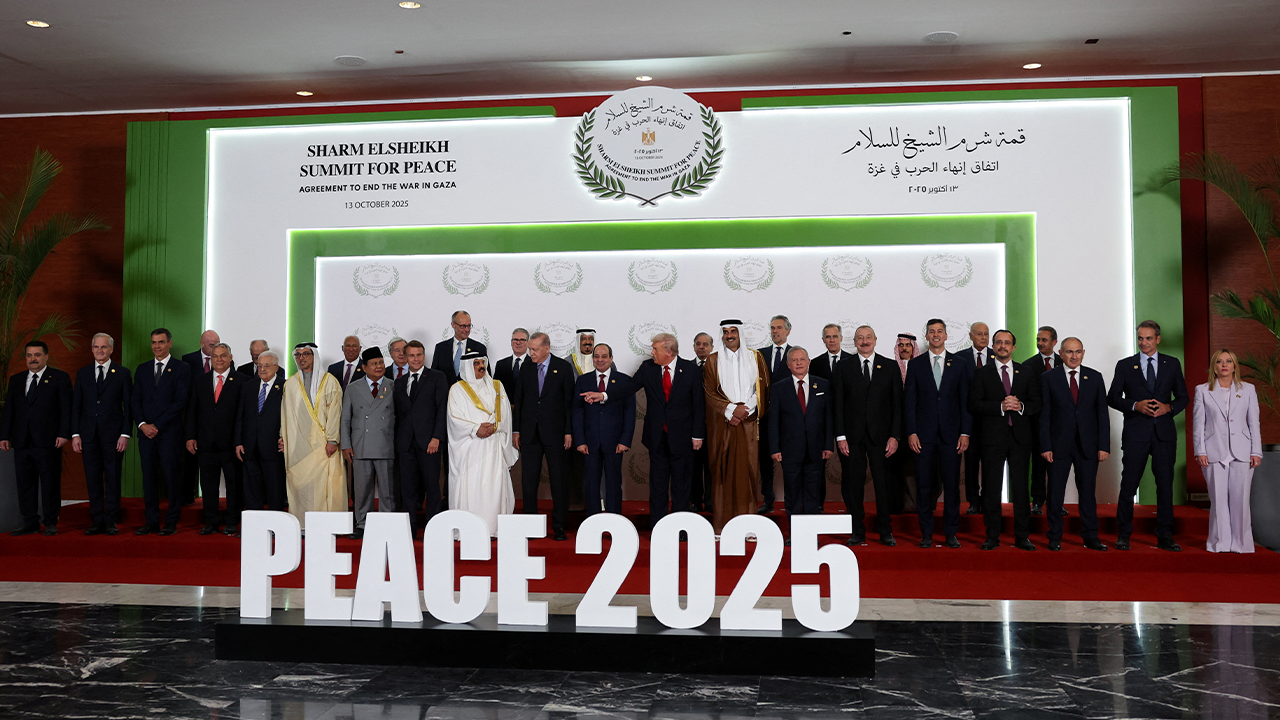
In 2025, rather than withdrawing, the United States increased its footprint in the Middle East, actively reshaping the dynamics in Gaza, Syria, and Iran. This shift followed the Trump administration’s successful brokering of a Gaza ceasefire and the release of all living Israeli hostages, though the body of Ran Gvili remains held by Hamas.
The breakthrough was attributed to sustained Israeli military pressure, firm insistence from the White House, and coordinated efforts with Qatar and Turkey. This collaboration enabled a prisoner-hostage exchange that involved Operation Rising Lion and Midnight Hammer, alongside an Israeli strike in Doha. Additionally, a U.S. strike targeted Iran’s nuclear program in an effort to curb Tehran’s proxies.
While the ceasefire remains fragile, it is currently holding, with the United States overseeing the next phase of peace from a coordination base in Israel. The regional impact includes the defeat of Hezbollah, the collapse of the Assad regime in Syria, and enhanced cooperation among the U.S., Israel, and Gulf states. Israel’s air superiority has been solidified, and Iran’s proxy network significantly challenged.
Looking ahead, Iran faces uncertainty as it attempts to rebuild its influence and nuclear program. Hamas is unlikely to disappear entirely. There is concern that 2026 could bring renewed pressure from Iran, ISIS, or Sunni extremists, especially if the U.S. disengages, underscoring the necessity for sustained American engagement in the region.