U.S. Intensifies Pressure on Maduro with Naval Blockade and Oil Tanker Seizures Amid International Criticism
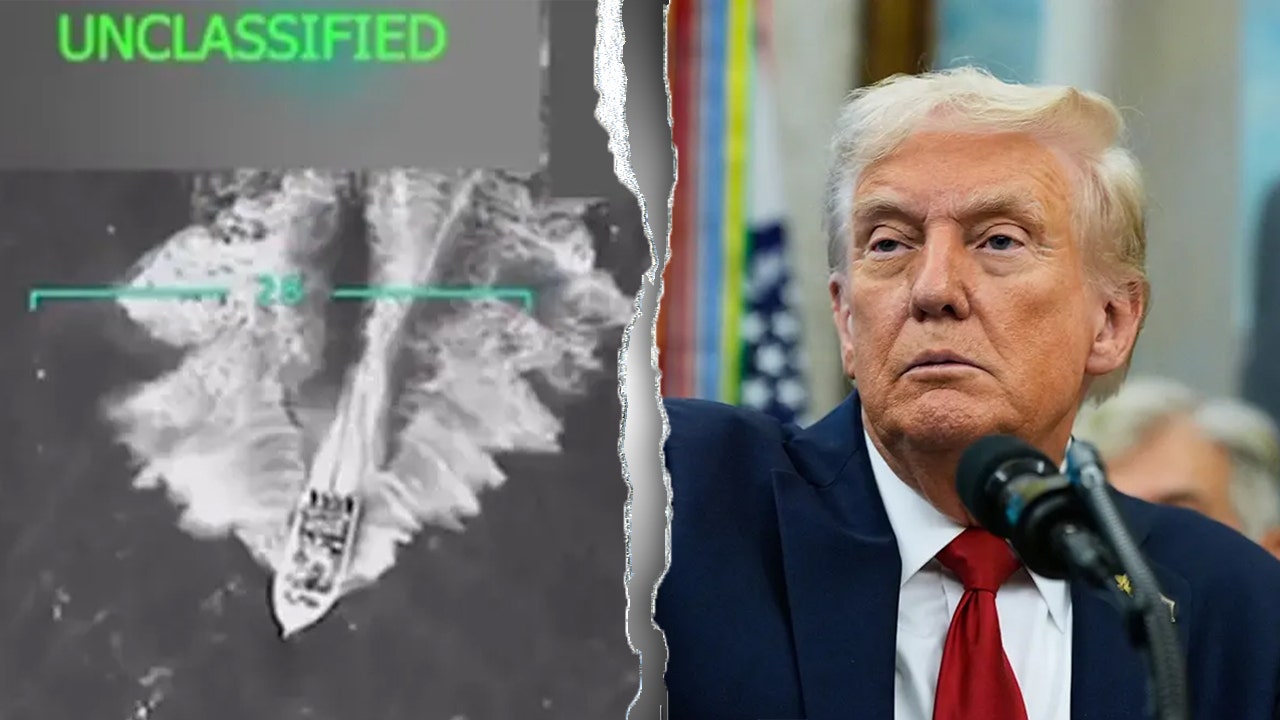
Since September, there have been nearly 30 strikes in Latin American waters and multiple oil tanker seizures as part of increased U.S. pressure on Venezuelan President Nicolás Maduro. In December, the U.S. announced a complete blockade of all sanctioned oil tankers entering or leaving Venezuela, expanding naval assets including the deployment of the aircraft carrier USS Gerald R. Ford.
This campaign is framed by the U.S. as an effort to curb the influx of drugs and also appears aimed at removing Maduro from power. President Trump has previously sanctioned Maduro and backed opposition leader Juan Guaidó. Trump suggested the pressure could coerce Maduro to step down, calling it a smart move and stating that the decision is up to Maduro himself.
China and Russia have condemned the U.S. actions, alleging violations of international law and threats to Venezuelan sovereignty. Chinese Foreign Ministry spokesman Lin Jian criticized the oil tanker seizures. Additionally, Russian Foreign Minister Sergey Lavrov spoke with Venezuela’s foreign minister Yván Gil, reaffirming Moscow’s support for Maduro and expressing concern over U.S. escalation in the Caribbean.
The White House has historically refused to comment on regime change and does not recognize Maduro as a legitimate head of state, instead describing him as a leader of a drug cartel. U.S. efforts include designating drug cartel groups Tren de Aragua and Sinaloa as foreign terrorist organizations and expanding its naval presence in the region. The first oil-tanker seizure occurred on December 10, and officials are pursuing another sanctioned dark fleet vessel linked to Venezuela’s sanctions evasion.
A Senate war powers resolution has been introduced to bar President Trump from using U.S. armed forces to engage in hostilities within or against Venezuela.