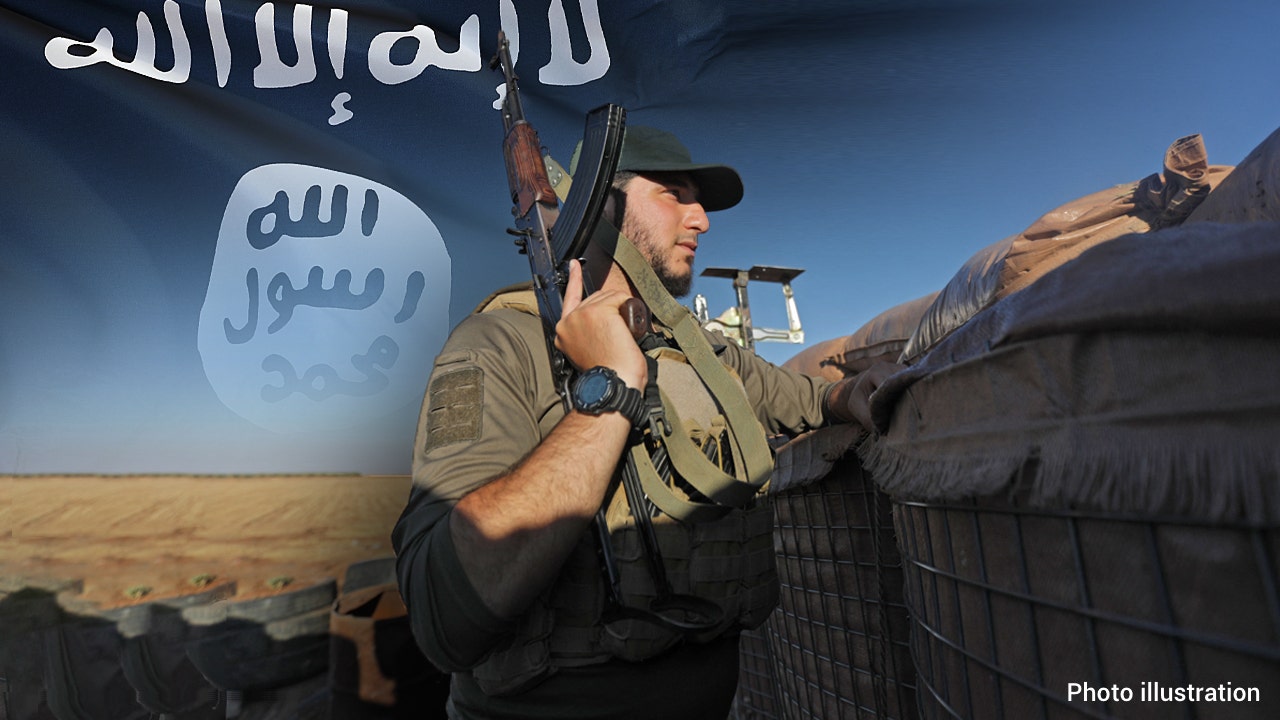
U.S.-Led Strikes Target ISIS Amid Syria's Fragmented Security Landscape
In late December, nearly 25 ISIS operatives were killed or captured in Syria following a large-scale U.S.-led strike on December 19. Subsequently, 11 follow-on missions conducted between December 20 and 29 resulted in at least seven more ISIS members killed, with others captured, and four ISIS weapons caches destroyed.
Operation Hawkeye Strike involved combined U.S. and Jordanian forces targeting more than 70 ISIS locations across central Syria. Utilizing over 100 precision munitions, the strike destroyed infrastructure and weapons sites linked to ISIS.
CENTCOM Commander Admiral Brad Cooper emphasized that U.S. forces remain steadfast and will not relent in their efforts to dismantle ISIS networks in coordination with regional partners.
Although ISIS no longer controls large territories, it retains the capability to organize, strike, and regenerate within Syria's fragmented security environment. Syria's security landscape is highly divided among militias and foreign-backed armed groups, creating a governance vacuum. This situation allows ISIS cells to operate, recruit, and exploit overstretched local forces.
Detention facilities in northeastern Syria currently hold thousands of ISIS terrorists. These prisons are mainly guarded by Kurdish-led forces alongside approximately 1,000 U.S. troops. Concerns persist that funding shortages and manpower strains could disrupt these facilities, potentially enabling escapes and the reconstitution of ISIS.
These strikes and ongoing operations highlight a broader pattern where counterterrorism efforts alone are insufficient to eliminate the root conditions enabling ISIS's persistence. Containment strategies by themselves cannot fully address the threat.
ISIS remains active across several theaters, including Syria, Iraq, and Afghanistan. According to UN reports, about 2,000 ISIS fighters are still estimated to be active in Afghanistan. Cross-border recruitment networks and small-scale attacks continue to challenge regional security responses.