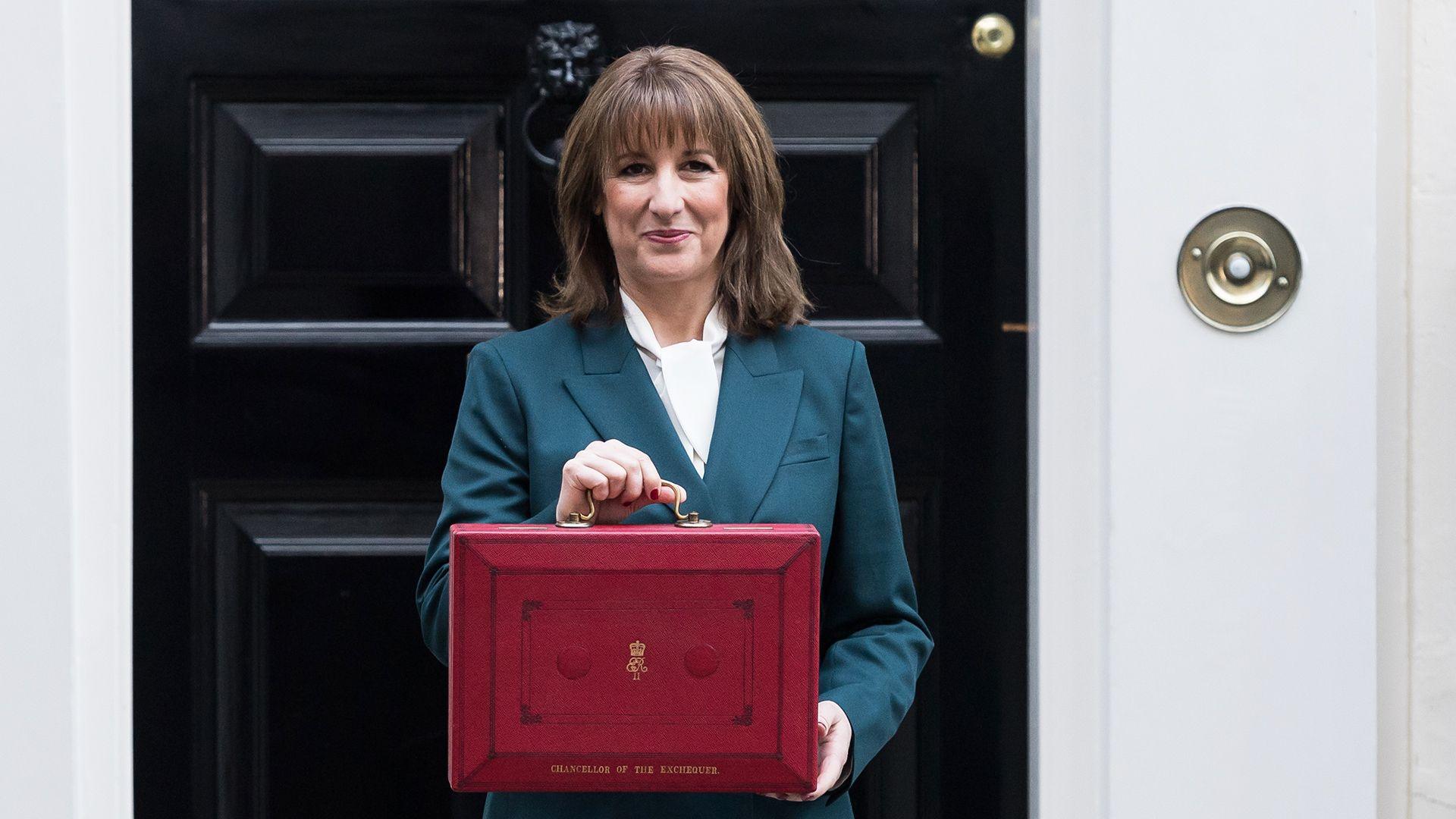
UK Chancellor Rachel Reeves Faces Challenges Ahead of Budget 2025
On 4 November, Chancellor Rachel Reeves held an extraordinary pre-Budget news conference to set the stage for Budget 2025, which involves making difficult choices amid economic challenges.
Her speech outlined upcoming measures including anticipated tax rises, a focus on tackling the cost of living, and efforts to build fiscal headroom while preserving long-term investment. The Office for Budget Responsibility (OBR) was expected to revise down productivity growth, impacting the Budget figures and trade-offs. Although Reeves was aware that tax receipts were stronger than expected and could offset the productivity decline, she did not disclose this information during the briefing.
The OBR later clarified the timing of when it informed the Treasury about the stronger tax receipts, and approximately ten days afterward, the Treasury announced that income tax rates would remain unchanged in the Budget. This move aimed to reassure markets. The Treasury defended the decision not to reveal the fiscal headroom gap earlier, citing uncertainties in the policy spreadsheets. However, the omission left an impression that contrasted with later-discovered data, fueling contention over transparency.
Budget 2025 reforms include removing the cap on extra benefits for larger families, framed as helping those in need and reflecting Labour's values. Additional measures encompass energy bill relief and a freeze on rail fares. A child poverty strategy is expected to be announced later in the week. Despite these policies reflecting a restatement of Labour's values and aiming to unify backbenchers, the party faces internal tensions. Notably, a partial retreat on workers' rights—such as scrapping day-one protection from unfair dismissal—has angered some on the left and strained relations with unions.
The economic backdrop presents challenges with high national debt, slow growth projected to 2030, and rising welfare spending alongside tax increases, including those on the minimum wage and business rates. The Budget process also sparked trust concerns after it emerged that the OBR had signaled weeks earlier there was no fiscal hole, leading to Conservative accusations that Reeves lied; Downing Street denied these claims.
Sources describe a best-case scenario involving political stability, potential economic improvement, and an increase in public support ahead of local elections in Scotland, Wales, and England, potentially boosting business confidence. The worst-case scenario fears economic stagnation and reduced hiring due to higher taxes and wage increases, which could damage public trust and Labour's economic credibility.
In presenting the Budget, Reeves intends to introduce targeted cuts focusing on the cost of living, reducing NHS waiting lists, and lowering government debt as a share of national income. Tax rises are expected mainly from areas other than income tax, with some rail fares frozen to help manage living costs. The decision not to increase income tax implies smaller tax rises elsewhere but may provoke protests, such as from farmers concerned about inheritance tax changes.
The Budget is seen as a landmark moment for Labour amidst low popularity and economic stagnation. Reeves and Labour leader Keir Starmer face public discontent and internal party strife. Labour backbench MPs express restlessness and some advocate discontinuing the annual Budget, with perceptions of a mutiny risk and potential leadership challenge before Christmas. Reeves has publicly indicated she looks forward to future Budgets, aiming to buy time with MPs and the public. The lead-up to the Budget has been marked by extensive briefings and leaks, with Reeves increasing her public engagement to navigate these challenges.