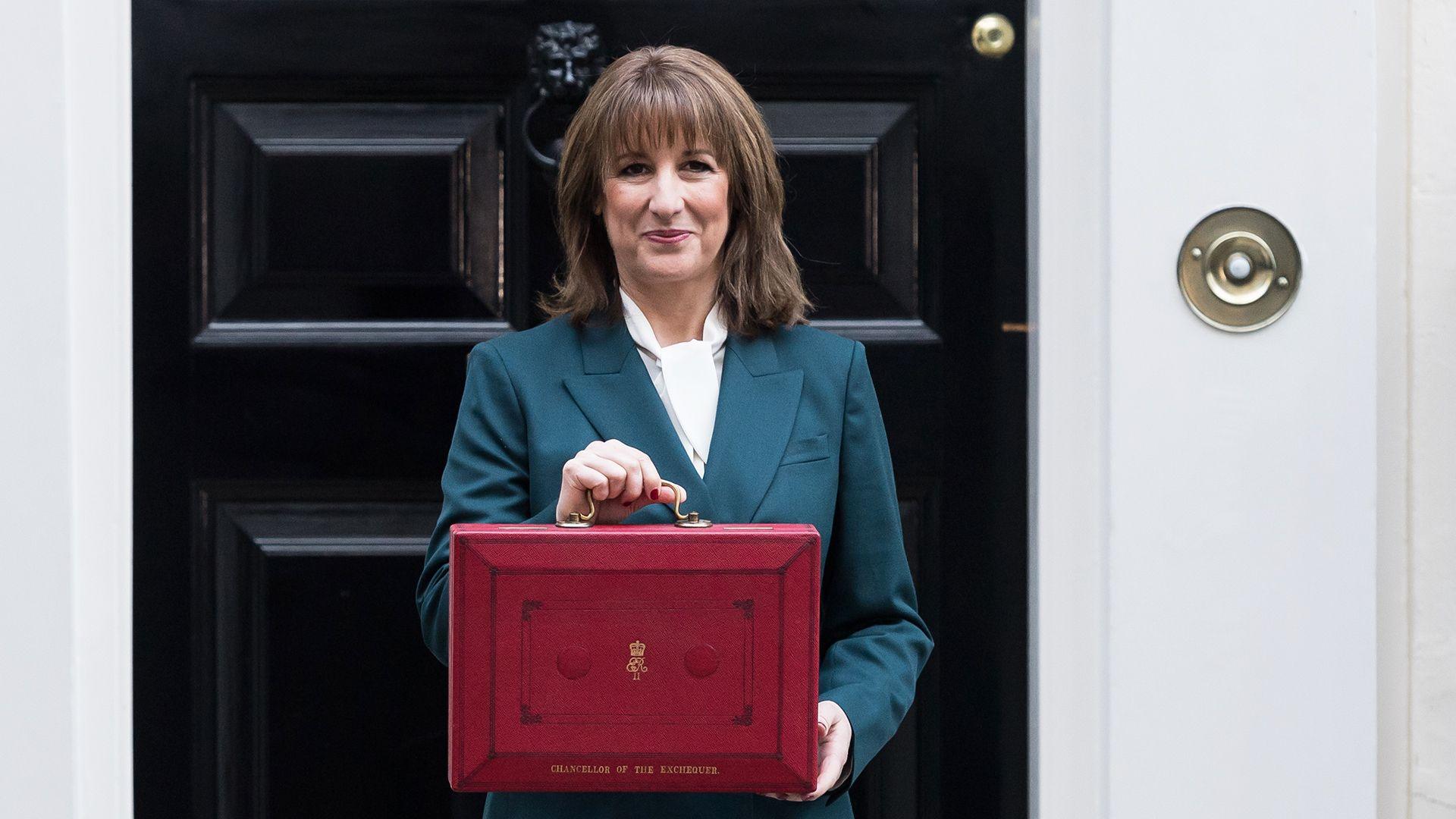
UK Chancellor Rachel Reeves Prepares Controversial Budget Amid Political and Economic Challenges
Chancellor Rachel Reeves has hosted an extraordinary pre-Budget news conference on 4 November, a novel and voluntary event intended to prepare the ground for a Budget anticipated to involve difficult choices. The Budget is framed around three priorities: cutting the cost of living, reducing NHS waiting lists, and lowering government debt as a share of national income.
Planning for the Budget began in July, with Reeves deliberately avoiding Treasury spreadsheets in favor of outlining priorities independently. Her messaging to voters and markets emphasizes controlling inflation, maintaining public-service spending, funding long-term infrastructure, and managing national debt. Despite these aims, there is limited room for manoeuvre due to a £9 billion headroom from the previous Budget being eroded amid weaker-than-expected growth according to the Office for Budget Responsibility (OBR).
Reeves's early communication laid groundwork for significant tax rises alongside cost-of-living measures, with signals suggesting tax increases will come in areas other than income tax to respect Labour's manifesto pledges not to raise income tax, National Insurance, or VAT. Some rail fares will be frozen to help households manage costs. However, more than a million people could face higher income tax or start paying it, contributing to the Budget’s unpopularity.
Backbench Labour MPs have shown increasing restlessness, with talk of leadership challenges and strained government-mutual relationships. The Budget is viewed as a chance to buy time and patience for Reeves and Labour leader Keir Starmer, seeking to avoid worsening the political situation.
Policy signals include a potential pay-per-mile charge for electric vehicles, efforts to soften oil and gas taxation to prevent investment withdrawal, removal of the benefit cap for larger families, easing some welfare restrictions, and promises of a child-poverty strategy. These measures are framed as redistributive policies to bolster Labour's identity, with some business leaders cautiously optimistic about stabilizing the economy and unlocking investment despite higher taxes.
The economic outlook remains challenging, with high debt, slow growth projected through 2030, rising welfare spending, and increased taxation. The partial expansion of workers’ rights has caused tensions within Labour and unions ahead of local elections. Trust risks surfaced with reports that the OBR informed Reeves earlier there was no financial hole due to stronger tax receipts than expected, leading to accusations of misleading the public—a claim denied by Downing Street.
The OBR itself is undergoing change following the resignation of Chair Richard Hughes after the early release of Budget information. His departure, attributed to a junior staff error, leaves the Chancellor to appoint a respected independent economist to maintain the OBR's independence, crucial for market confidence and UK borrowing costs. A new forecast framework will produce two full forecasts annually, but the government will respond only once yearly, signaling a shift in engagement with economic projections.
Overall, Reeves faces substantial political constraints and economic challenges as she navigates a complex Budget with competing priorities. The measures highlight Labour’s efforts to address public concerns while balancing fiscal responsibility and party cohesion in a difficult economic environment.