UK Economy Shows Slower Growth in Q3 Amid Car Production Slump
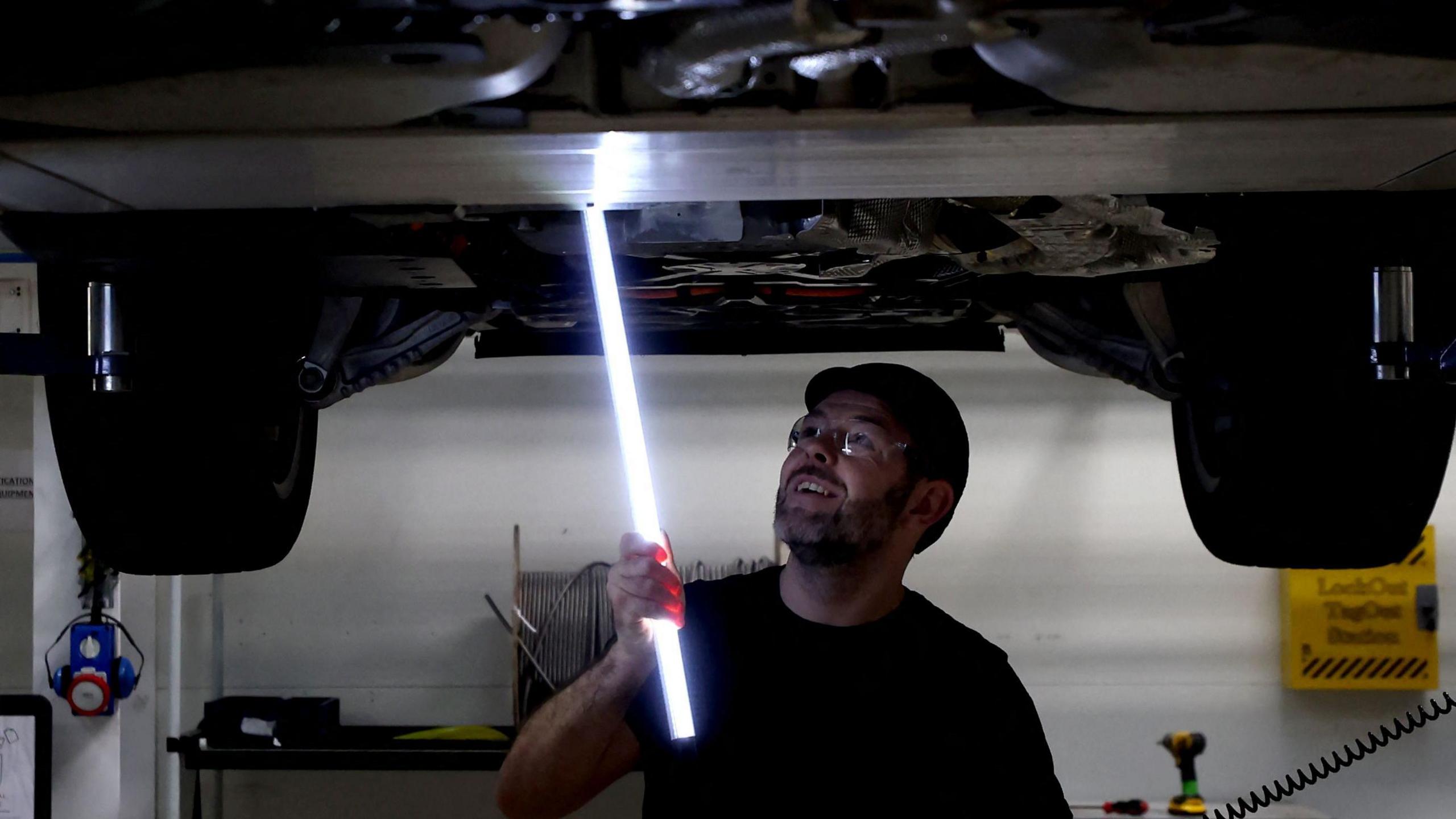
The UK's Gross Domestic Product (GDP) grew by 0.1% in the July to September quarter, falling short of the 0.2% forecast. September alone saw GDP decline by 0.1%, with production output down 2%, primarily due to a significant 28.6% drop in car production resulting from a cyber-attack on Jaguar Land Rover (JLR) that began on 31 August. This attack caused a five-week halt to the car manufacturer’s production, heavily impacting overall GDP figures.
Despite the slump in car manufacturing, the services and construction sectors experienced growth, albeit at a slower pace, with consumer spending remaining weak. The Office for National Statistics (ONS) identified services as the main driver of growth during this period, highlighting strength in business rental and leasing, live events, and retail. Conversely, there were notable declines in research and development and hair and beauty salons.
Analysts suggest that the combination of weaker growth and recent jobs data increases the likelihood of a Bank of England interest rate cut in December. Pantheon Macroeconomics indicated that the new data could solidify prospects for a cut. Despite the slower third quarter, Chancellor Jeremy Reeves noted that the UK was the fastest-growing G7 economy in the first half of the year and reaffirmed government plans to build an economy for working people. For context, earlier quarterly growth rates were 0.3% in the second quarter and 0.7% in the first quarter.