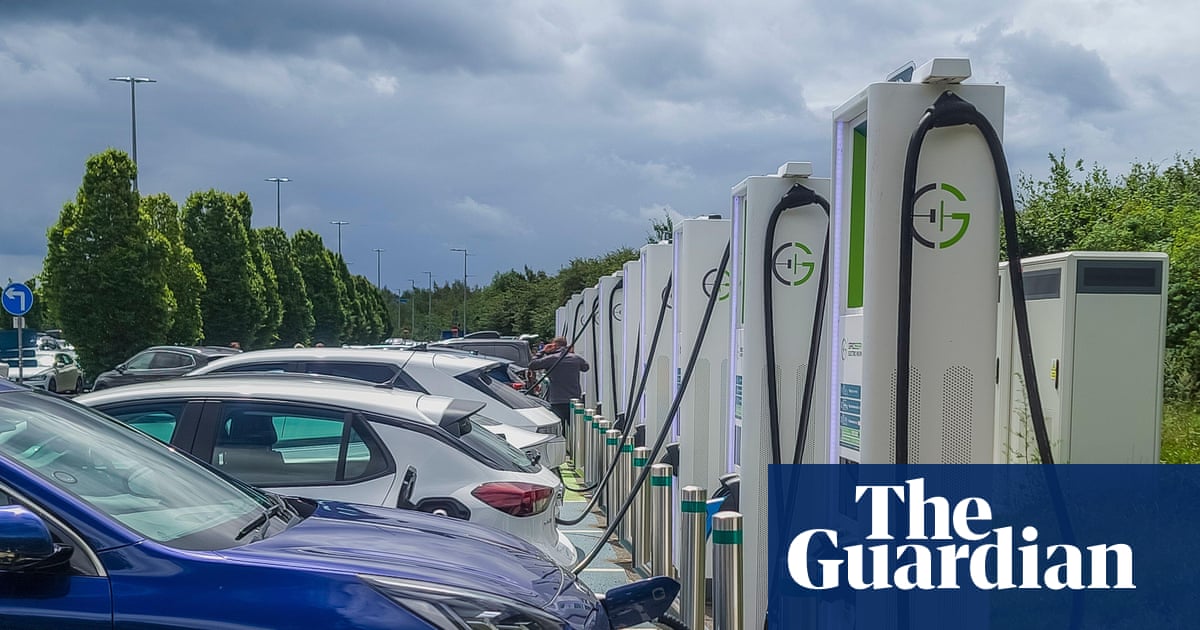
UK Electric Car Charger Installation Growth Slows Despite Rising EV Sales in 2025
By the end of November 2025, the UK had installed 87,200 electric car chargers, marking an increase of 13,500 since the end of 2024. This represents the smallest number of new chargers added since 2022 and indicates a growth rate below 20% for the year.
Slow chargers made up 48,100 of the total chargers, reflecting a 15% year-on-year increase, while ultra-rapid chargers reached approximately 9,800 units, up 39% from the previous year.
Electric vehicles accounted for 23% of British car sales in the first eleven months of 2025, rising from 19% during the same period in 2024. However, overall growth in EV adoption has fallen short of expectations as some manufacturers have slowed their transition to electric models and investors have reduced deployments of charging infrastructure.
Carmakers influenced the UK government to soften electric car sales targets amid warnings from the charging industry about the resulting risk to investments. The policy environment features a planned pay-per-mile tax on EVs set to begin in 2028 and a weakened zero-emission vehicle mandate, both factors that could deter EV uptake and inhibit investment in charging networks.
Levies funding local electric vehicle infrastructure have been postponed, with authorities anticipating bulk funding to become available in 2026 to 2027. Calls have been made for government action to alleviate the cost burdens and address grid bottlenecks impeding infrastructure development.
Analysis by Cenex indicates that public charging supply in Great Britain remains about 1.5 years ahead of current demand. Rapid motorway chargers are more developed, and the existing networks can meet demand for approximately six years without further installations.
Regional disparities continue to exist: Northern Ireland has 39 public chargers per 100,000 people, significantly lower than London’s 301 chargers per 100,000. Northern Ireland, the East Midlands, and northeast England were noted as the slowest regions per person for charger installations in the year leading up to October 2025.