UK Inflation Falls to Lowest in Eight Months, Bank of England Expected to Cut Rates
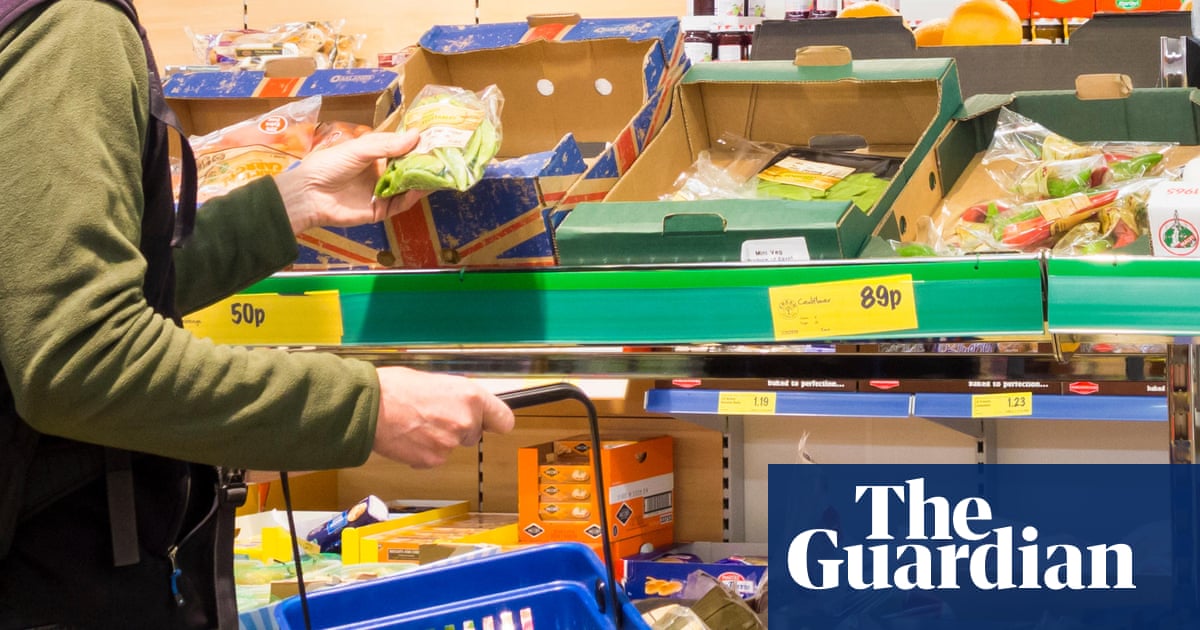
UK consumer price inflation (CPI) fell to 3.2% in November, down from 3.6% in October, marking the lowest rate in eight months and below economists' expectations of around 3.5%. The decline was notably driven by a slowdown in food and drink inflation, which dropped to 4.2% in November from 4.9% in October. This easing resulted from pre-Christmas discounts and reduced prices for several food items, with some experiencing sharp year-on-year falls, including olive oil (-16.2%), flours and cereals (-6.1%), and pasta and couscous (-4.2%). Cakes, biscuits, and breakfast cereals also saw price declines.
Core inflation, which excludes volatile items, eased from 3.4% to 3.2%, contributing to an overall reduction in price pressures. In response to the data, markets and analysts are anticipating a Bank of England base-rate cut at the upcoming Thursday policy meeting, with odds exceeding 90% for a 25 basis point cut from the current 4%.
The British pound fell approximately 0.7% against the US dollar following the inflation report, and government borrowing costs declined. Measures from Chancellor Rachel Reeves' autumn budget, including energy bill relief, prescription charge changes, and fuel duty adjustments, are expected to reduce headline inflation by as much as 0.5 percentage points next year, a view supported by the Bank of England.
Despite the encouraging signs of slowing inflation, the rate remains well above the Bank of England's 2% target. Additionally, unemployment is rising toward pre-pandemic levels and real earnings growth remains weak, with roughly 7 million households continuing to face financial hardship.