UK Ministers Consider Tougher Curbs on Gambling Advertising Amid Public Concern
Polling shared with the Guardian reveals strong public support for tougher restrictions on gambling advertising and sponsorship, with 70% backing more stringent curbs and 27% advocating for a complete ban on gambling companies promoting themselves. The findings come from research conducted by More in Common for the Campaign to End Gambling Advertising.
A foreword by former Conservative leader Iain Duncan Smith argues that tougher regulation on gambling ads would receive broad cross-party support and help protect future generations from the harms of gambling.
Campaigners have called for stronger restrictions, highlighting the saturation of gambling advertisements across television, social media, and influencer marketing. They also urge bans on gambling ads and related content from children's social media platforms and computer games.
While the government currently has no plans to legislate specific gambling-ad restrictions, it acknowledges the need to prevent advertising that leads to harmful gambling behaviors. The government stated it will work across departments and with industry stakeholders to protect children and vulnerable groups and to combat illegal advertising.
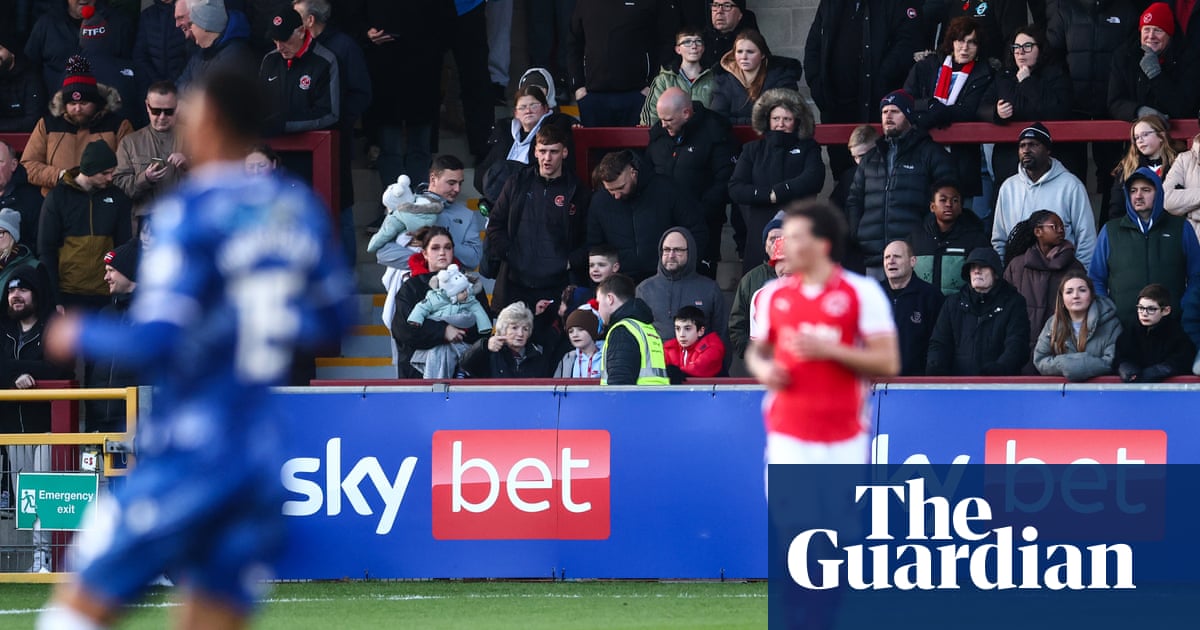
Within the industry, there is a voluntary 'whistle-to-whistle' ban during sports fixtures before 9pm since 2019 and a self-imposed rule dedicating 20% of ads to responsible gambling messages. The Betting & Gaming Council reports about £1.15 billion in advertising spend, although estimates including illicit operators approach £2 billion. The gambling sector generates around £12.5 billion annually, with recent budget measures having raised taxes on online gambling. The Betting & Gaming Council has warned that increasing taxes could harm the sector and lead to job losses.
Public appetite for regulatory change is clear: only 8% of people want the industry to grow, 47% want it to shrink, and most people oppose opening more gambling venues. When given a choice, 44% would prefer an empty shop over a gambling venue in their community.