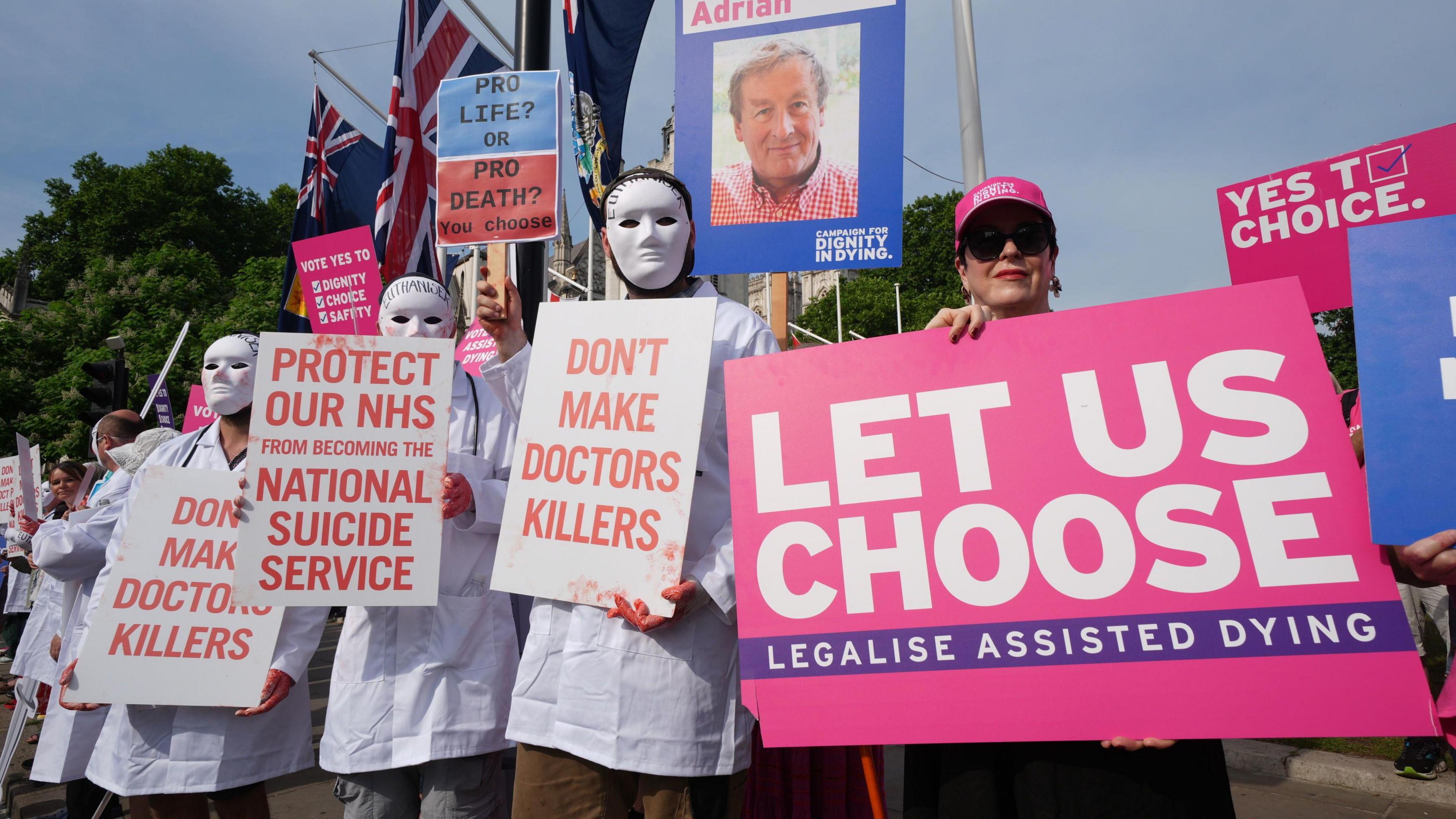
UK MPs Back Terminally Ill Adults' Assisted Dying Bill Amidst Lords' Delays
The Terminally Ill Adults (End of Life) Bill, introduced in October 2024 by Labour MP Kim Leadbeater as a private member's bill, aims to enable adults aged 18 and over, who are expected to die within six months, to receive assistance to end their own life under safeguards.
The House of Commons supported the principle of the bill in November 2024 by a majority of 55 votes. Subsequently, a cross-party MPs committee spent months examining over 500 proposed changes, and in June the MPs voted by a margin of 23 votes to progress the bill to the House of Lords.
In the Lords, the bill is undergoing detailed line-by-line scrutiny with more than 1,000 amendments proposed, which marks a record for a backbench bill. This has raised concerns about potential delays.
Scotland has a separate assisted-dying bill that has passed an initial Holyrood vote but requires further scrutiny by Members of the Scottish Parliament (MSPs) before it can become law.
For the UK bill to become law, both Houses of Parliament must agree on the final wording before the end of the current session in spring 2025; failing which, the bill would fall and require restarting.
The UK government remains neutral on the bill and treats it as a matter of conscience; it has not scheduled government time for its consideration. However, the Lords have been allotted 10 extra Friday debate sessions to address the bill.
There is a real risk that the bill might not pass this session, as extending time is uncertain, and any use of the Parliament Acts to push it through would be unprecedented for a private member's bill.
Supporters argue that the delays and blocks in the Lords are undemocratic, given the MPs' approval. Opponents stress that many of the amendments are necessary to enhance safety and protect vulnerable individuals, citing examples like rules on travel within 12 months following assisted dying and potential filming of an assisted death as areas requiring careful regulation.