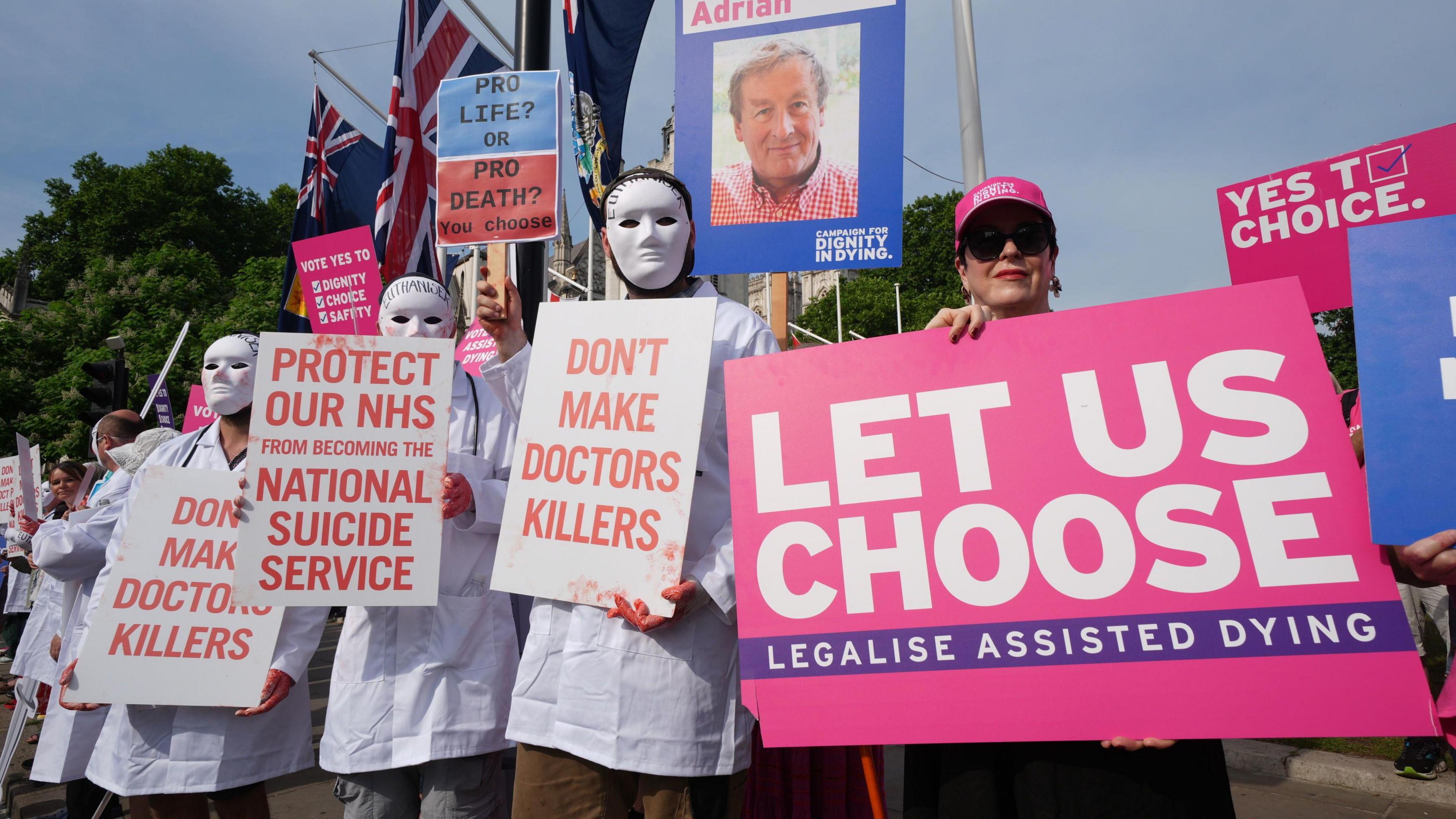
UK Terminally Ill Adults (End of Life) Bill Advances Amidst Intense Scrutiny
The Terminally Ill Adults (End of Life) Bill, introduced by Labour MP Kim Leadbeater in October 2024, seeks to allow adults aged 18 and older who are expected to die within six months to request assistance in ending their life, with specified safeguards. The bill has received a 55-seat majority support from MPs in November 2024 and is under detailed scrutiny in the House of Lords, where line-by-line examination and over 1,000 amendments have been proposed—setting a record for a private member’s bill.
Four days of a scheduled fourteen-day scrutiny cycle have been completed. For the bill to become law, both Houses of Parliament must agree on its final wording before the current session ends in spring 2025. Private member’s bills do not carry over to the next session if not agreed, raising a real risk that the bill could fail if time runs out. Should this occur, it would have to be restarted in a future session.
Notable proposed amendments in the Lords include restrictions on travel abroad within the last twelve months and requirements to film an assisted death. Supporters, including Leadbeater, argue that the large number of amendments are delaying tactics by opponents and that many amendments are unnecessary and could be cruel. However, critics such as Baroness Tanni Grey-Thompson describe the bill as badly written with gaps and highlight that many amendments aim to prevent coercion.
The government has remained neutral on the bill, treating it as a matter of individual conscience. It has not allocated government time for debate but granted the Lords ten additional Friday sessions to discuss it. Use of the Parliament Act to override the Lords, though considered, would be unprecedented for a private member’s bill.
Meanwhile, Scotland has a separate bill on the issue that has passed an initial vote in the Scottish Parliament (Holyrood).