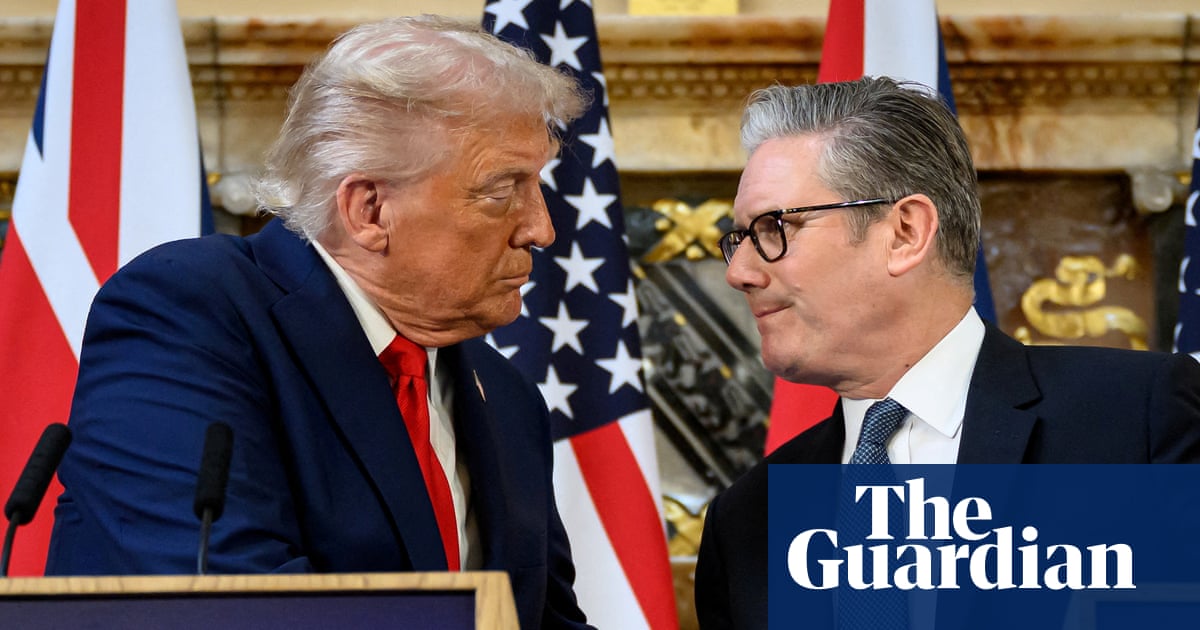
UK-US Medicines Deal Spurs Debate Over Sovereignty and Innovation
Letters published by The Guardian on 16 December 2025 respond to Aditya Chakrabortty’s article regarding Keir Starmer’s medicines deal with former US President Donald Trump. The UK-US agreement aims to support NHS patients by enhancing access to new and innovative treatments through raising the National Institute for Health and Care Excellence (NICE)'s cost-effectiveness threshold.
Importantly, the deal does not retrospectively increase prices for existing branded medicines. Instead, it caps repayment rates for newer medicines at up to 15% from 2026 to 2028. Despite these reforms, UK life sciences currently lag behind international peers, with only about one-third of new treatments available to UK patients in all licensed indications. Advocates argue that establishing a more predictable and internationally competitive environment is essential to reversing this trend.
Richard Torbett, Chief Executive of the Association of the British Pharmaceutical Industry (ABPI), supports the reforms, stating they could foster investment by making the UK more internationally competitive and predictable. Conversely, Nick Dearden, Director of Global Justice Now, cautions that a related tech deal signed in September curtails UK controls over technology development. He warns that it pressures the UK government to drop the digital services tax and to regulate artificial intelligence in ways that erode national sovereignty.
Furthermore, Starmer reportedly indicated he would not seek to rejoin the EU customs union, citing conflicts with these deals. This stance implies a reduced sovereignty and greater alignment with US trade and policy interests. The letters collectively warn that without careful restraint, the UK risks increased influence from US trade agreements and policy decisions, raising concerns about maintaining autonomy in governance and economic policy.
