Ukraine's 2026 Peace Deal Remains Elusive Amid Complex Negotiations and Domestic Challenges
In his New Year address, Ukrainian President Volodymyr Zelenskyy stated that peace is not imminent, explaining that a peace agreement is 90% ready, with the remaining 10% effectively determining the outcome.
Peace talks were initially sparked by a leaked Russia-US plan proposing Ukraine concede the Donbas region. US officials pressed Kyiv in a high-level meeting to sign the agreement immediately or risk facing a worse deal later.
In response, Ukraine and the US developed a revised strategy; however, Russia remains unlikely to sign unless its stated “root causes” of the war are addressed, complicating the prospects for a settlement.
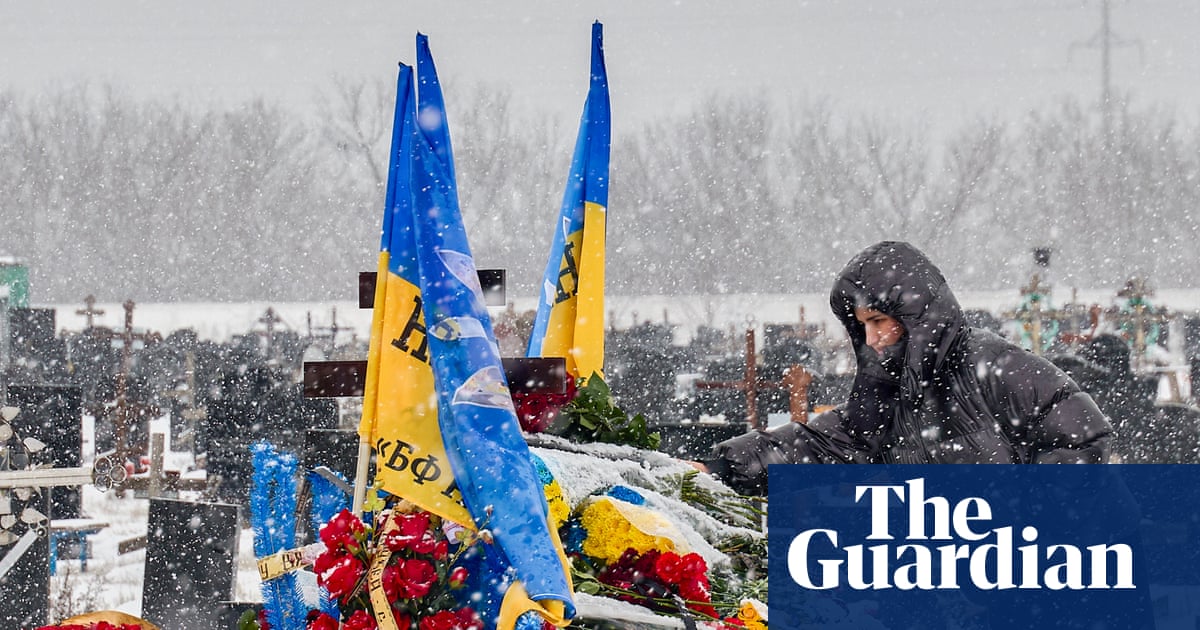
The Ukrainian population and soldiers are exhausted after nearly four years of conflict, with winter hardships influencing public sentiment toward accepting a less favorable deal to halt fighting.
Amid these tensions, Kyrylo Budanov, previously head of military intelligence, was appointed chief of staff following the resignation of Andrii Yermak amid a corruption scandal. This change signals a possible shift in Ukraine's security and negotiating posture.
Martial law continues to bar wartime elections in Ukraine, but tensions persist around potential electoral processes, including discussions about holding elections during wartime and the involvement of figures such as Valerii Zaluzhnyi as possible challengers.
The end-of-winter window is considered a potential moment for a deal if three conditions align: increased European military and financial support, stabilization of the frontline, and economic strain on Russia.
Additionally, Russia claimed a large drone attack on President Vladimir Putin’s residence; however, Kyiv and the CIA reportedly found no evidence to support this, illustrating how pretexts might be used to relaunch hostilities.