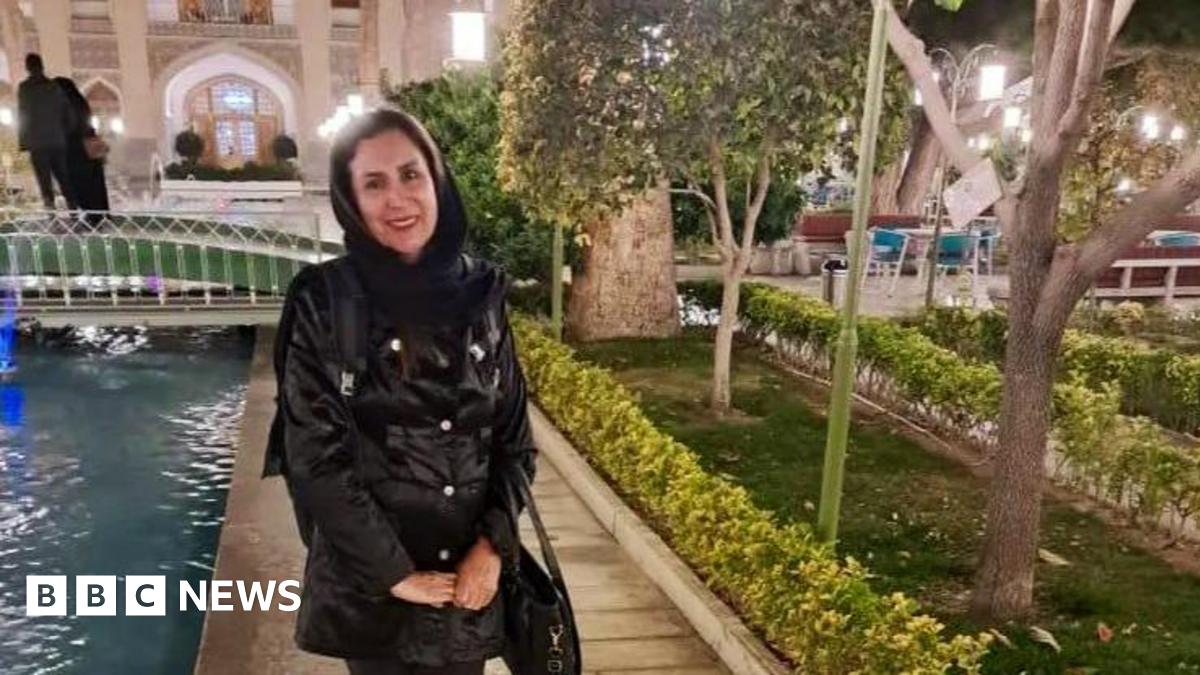
UN Experts and Prominent Women Urge Iran to Halt Execution of Zahra Tabari
UN experts and over 400 prominent women have called on Iran to stop the execution of Zahra Tabari, a 67-year-old electrical engineer and women's rights activist. Tabari was arrested in April and accused of collaborating with the banned People's Mojahedin Organization of Iran (PMOI). In October, she was convicted of armed rebellion by a Rasht Revolutionary Court in a trial that lasted under 10 minutes via video link.
Tabari's family has stated that the verdict was based on extremely limited and unreliable evidence, including a cloth bearing the words "Woman, Resistance, Freedom" and an unpublished audio message. UN special rapporteurs have highlighted serious violations of international law in the case, citing her arrest without a judicial warrant, solitary confinement for a month, denial of effective legal representation, and an unusually brief hearing.
International law restricts the death penalty to the most serious crimes, and executing Tabari under these circumstances would be arbitrary and risk criminalizing women's activism for gender equality. More than 400 prominent women, including Nobel laureates and former presidents and prime ministers, have signed an appeal organized by Justice for the Victims of the 1988 Massacre in Iran, calling for her immediate release.
A separate case involves Pakhshan Azizi, a Kurdish rights activist facing the death penalty on the same charge, with concerns that her sentencing relates to refugee work. In Iran, there were at least 1,426 executions in the first 11 months of 2025, including 41 women, marking a 70% increase compared to the same period last year. Approximately half of these executions were related to drug offenses, and 53 involved national security offenses.