Unemployment and Rising Health-Related Benefits Highlight Challenges in Britain's Labour Market
Unemployment in Britain is rising while job vacancies are falling, with 2.8 million people out of the labour market. Approximately 10.4 million working-age Britons report a disability, representing about 25% of this population. The health-related benefits bill stands at £76.8 billion, roughly 6% of government spending, and costs are forecast to increase.
About one in ten people claim incapacity or disability benefits. Incapacity benefits are means-tested and involve a work capability assessment with a £4,994 annual top-up, while disability benefits, known as PIP, are not means-tested and range between £1,500 and £9,610 per year. Approximately 45% of PIP claimants have a mental or behavioural condition as their main health issue. Notably, 86% of health-related benefit claimants have a mental health condition.
Demand for NHS mental health services is rising, as is antidepressant use, alongside increasing anxiety among children and young people. This rise in ill health and disability is linked to effects from the pandemic, an ageing workforce, and the cost-of-living crisis. Some observers argue that mental health issues are being medicalised.
Austerity measures and welfare reform cuts—including reductions in housing benefits, raising the pension age for women, and lower benefit caps—have reduced the social safety net. The Institute for Fiscal Studies suggests these cuts nudged more people onto health-related benefits, increasing the risk of longer spells out of work.
Policy debates address concerns about the overdiagnosis of mental health conditions. The health secretary has mentioned this issue, prompting a government-ordered review into the diagnosis of mental health conditions, autism, and ADHD. Additionally, Minister Kemi Badenoch has proposed a crackdown on exploitation of the benefits system by people with mild conditions.
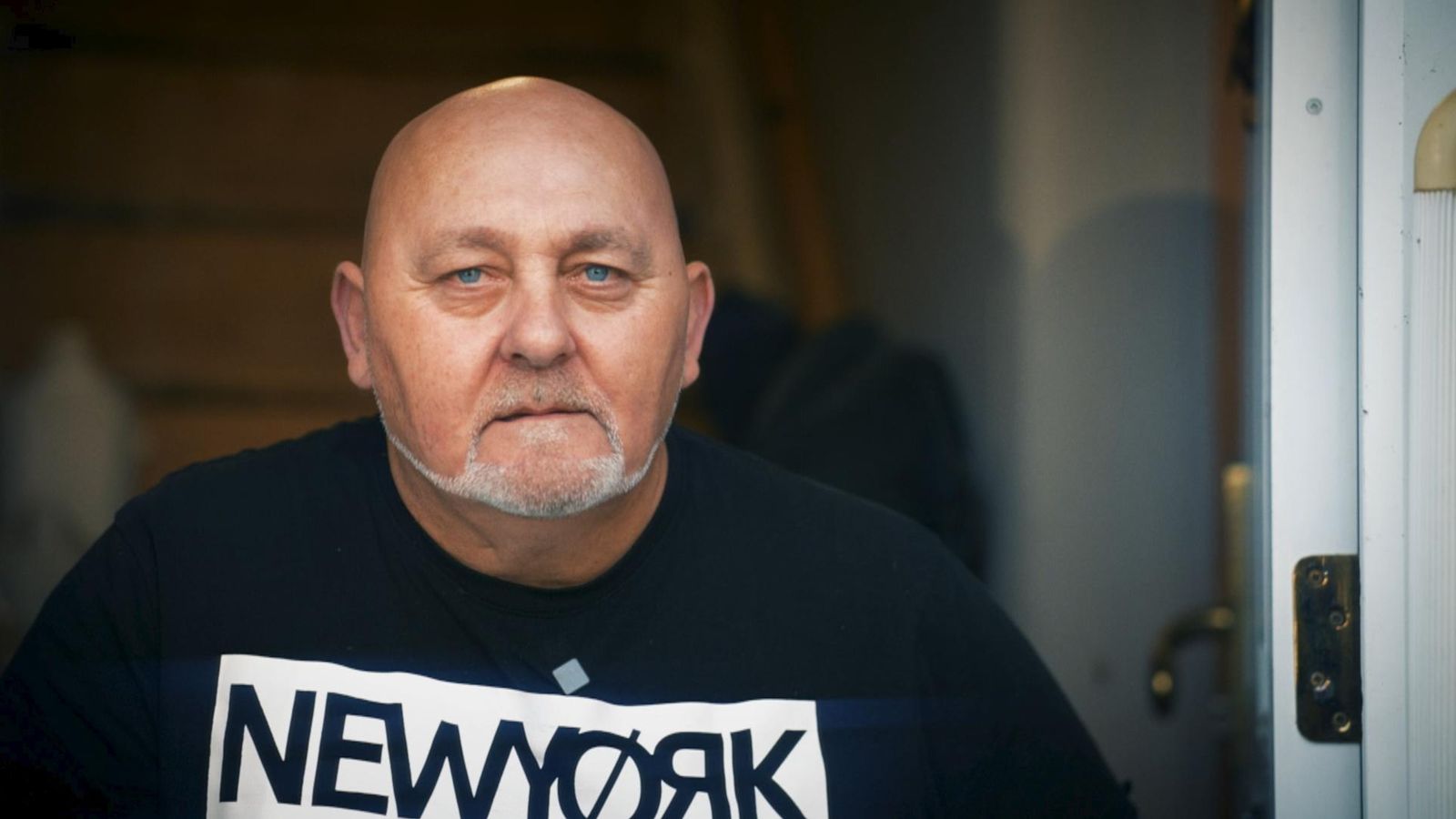
An example comes from Bidston Rise in Birkenhead, where NHS data show a 27.7% depression rate and around 40% of working-age people are not looking for work. Individual cases, such as Mick's, who suffers from a physical disability compounded by depression, illustrate how health challenges impact employability.