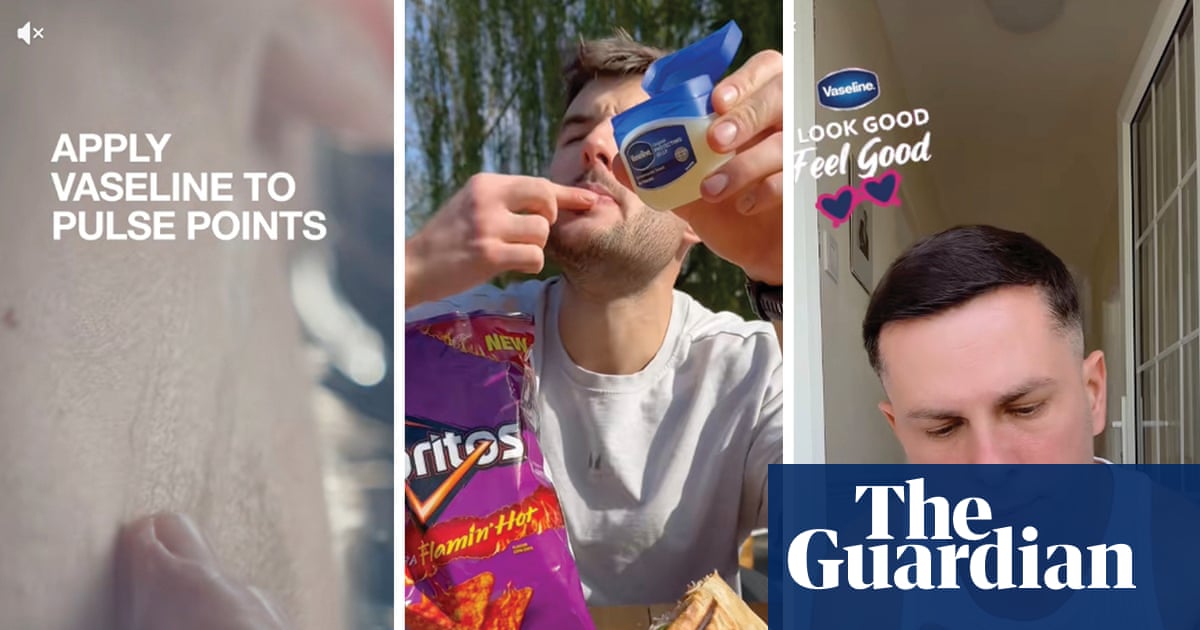
Unilever Adapts Vaseline Campaign with TikTok-Driven Social Media Strategy
Unilever has shifted its advertising strategy for Vaseline by leveraging TikTok as a platform for life-hack discussions, using social listening to guide its approach.
The company conducted scientific tests on various hacks promoted by content creators, validating claims such as lip-sensation reduction from spicy foods, perfume longevity, and leather handbag restoration, while debunking others like teeth whitening and eyelash lengthening.
This approach has prompted Unilever to increase its investment in content creators and decrease reliance on traditional media, aiming to allocate about half of its advertising budget to social media content.
Selina Sykes, leading Unilever's social media efforts, highlighted a move toward authentic engagement, transitioning from one-to-many broadcasting to fostering many conversations where creators serve as key advocates.
The strategy reflects a broader industry trend as younger audiences prefer social platforms over traditional TV, magazines, and radio, contributing to a decline in UK TV and print advertising revenues by more than £600m since 2019.
Advertising expenditure on the creator economy is growing at four times the rate of the overall media industry; in the US, it has more than doubled since 2021 and is projected to reach $37bn (£28bn) by 2025.
Despite the surge in creator-led content, TV advertising continues to be significant, with broadcasters maintaining the ability to shape national conversations and offer high return on investment opportunities, exemplified by events like the Super Bowl.
Unilever's evolving approach underscores a trend where brands become production hubs, collaborating with hundreds of content creators and using social listening to influence business strategy.