Urban Decay and Governance Challenges in Indian Cities
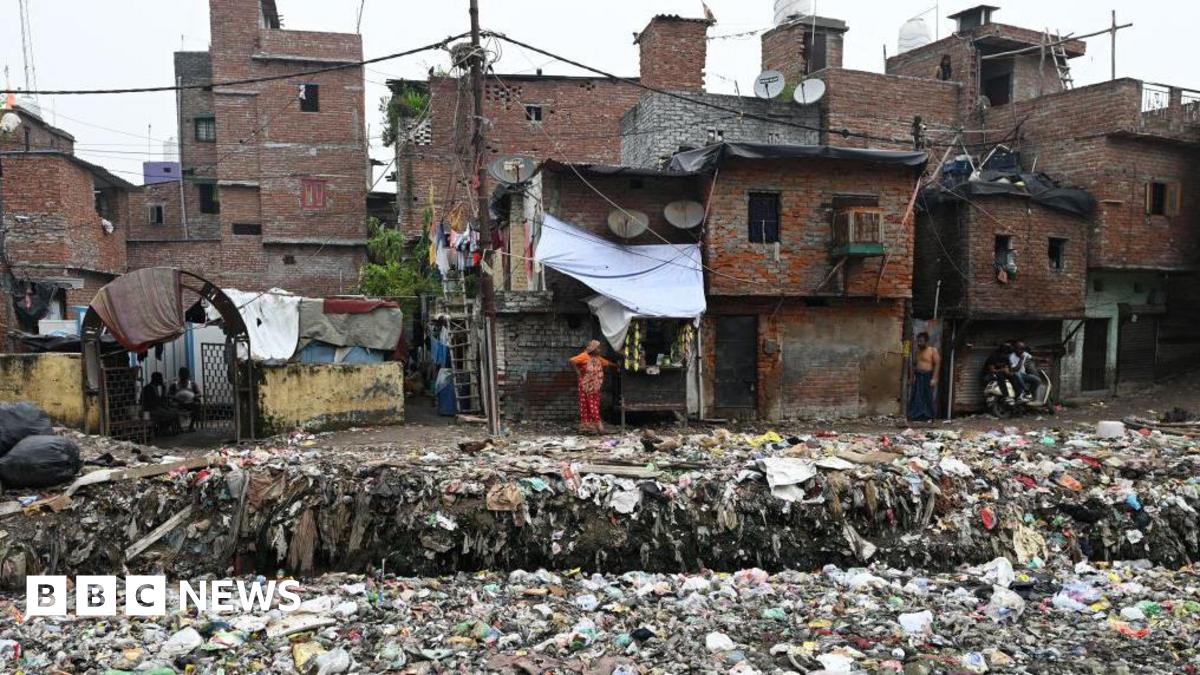
Indian cities are increasingly facing significant urban decay characterized by toxic air, traffic congestion, and accumulated rubbish, with Jaipur cited as a prominent symbol of this decline.
Despite extensive infrastructure spending, major cities such as Bengaluru, Mumbai, and Delhi continue to experience persistent liveability problems and growing public discontent.
A major cause identified is weak urban governance. Although the 1992 74th constitutional amendment was intended to empower local government bodies, its implementation remains incomplete, leaving local authorities with limited powers and revenue.
This situation contrasts with China’s model, which combines centralized planning and empowered local authorities, leading to different urban outcomes.
Urbanisation is accelerating rapidly in India. The World Bank estimates that over 500 million Indians—about 40% of the population—now live in cities. By comparison, the urban population was about 70 million in 1960, and the last census over 15 years ago recorded 30% urban dwellers, with the next census due in 2026.
A few exceptions exist, such as Surat and Indore, where committed bureaucrats and political will have led to improvements, but such success stories are not typical.
Widespread data gaps and failure to implement urban governance frameworks continue to hinder effective planning and reform.
Public frustration has manifested in protests over potholes, garbage, and pollution in Bengaluru and Mumbai. Delhi’s worsening smog has raised health concerns, and even high-profile events like Lionel Messi’s visit were overshadowed by poor air quality.
Experts suggest that reform may only come after escalating crises, similar to historical examples like London’s response to the Great Stink.