Urgent Methane Cuts Could Delay Climate Breakdown, Experts Warn
Global temperatures have exceeded the 1.5°C Paris Agreement limit for two consecutive years, raising fears of irreversible tipping points such as Amazon rainforest drying and Greenland ice melt.
Cutting methane emissions is seen as a critical strategy to slow near-term warming. Experts estimate that a 40% reduction in methane could reduce global temperature rise by about 0.3°C by 2030, with deeper cuts potentially lowering temperatures by up to 0.5°C by 2050.
Methane, which is about 80 times more potent than CO2 in trapping heat but remains in the atmosphere for around 20 years, has recently shown rising emissions that have been underreported, even as CO2 growth slows.
More than 150 countries have committed to a 30% methane reduction by 2030 under the global methane pledge from COP26. However, major emitters such as China, India, and Russia are not participants, and the United States under the Trump administration is unlikely to fulfil its commitments.
The European Union has introduced stringent methane regulations requiring reductions and strict monitoring and reporting of methane in imports. This aims to expose the methane footprints of gas suppliers and pressure the adoption of cleaner supply chains.
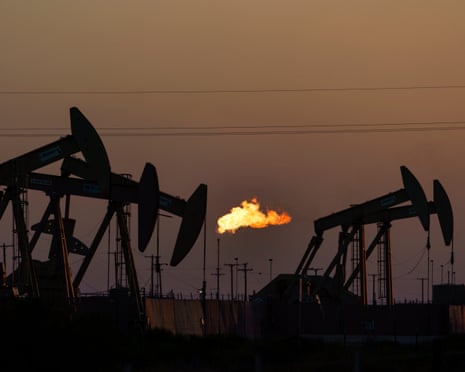
Practical measures to reduce methane include capping shale gas wells, reducing leaks from oil and gas infrastructure, ending venting and flaring, and capturing methane for sale. The most efficient producers are far ahead in minimizing emissions.
Economically, reducing methane emissions by a third by 2030 could be worth about $1 trillion annually, with benefits increasing when health improvements are considered. A study published in Science links methane cuts to delaying Amazon dieback and disruptions in the Indian monsoon.
While the energy sector's methane reductions are the fastest and most cost-effective, agriculture, waste, and livestock account for about 40% of human-made methane. This requires improved soil and water management, better animal feed, and dietary shifts toward agroecology and plant-based diets. Notably, 45 major meat and dairy firms have reportedly emitted significant methane.
Policy advocates including Durwood Zaelke, Paul Bledsoe, Simon Dietz, Yushu Xia, Sabina Assan, Tommaso Franci, and Kari Hamerschlag urge binding global methane agreements and increased scrutiny of national methane plans (NDCs) to ensure progress.