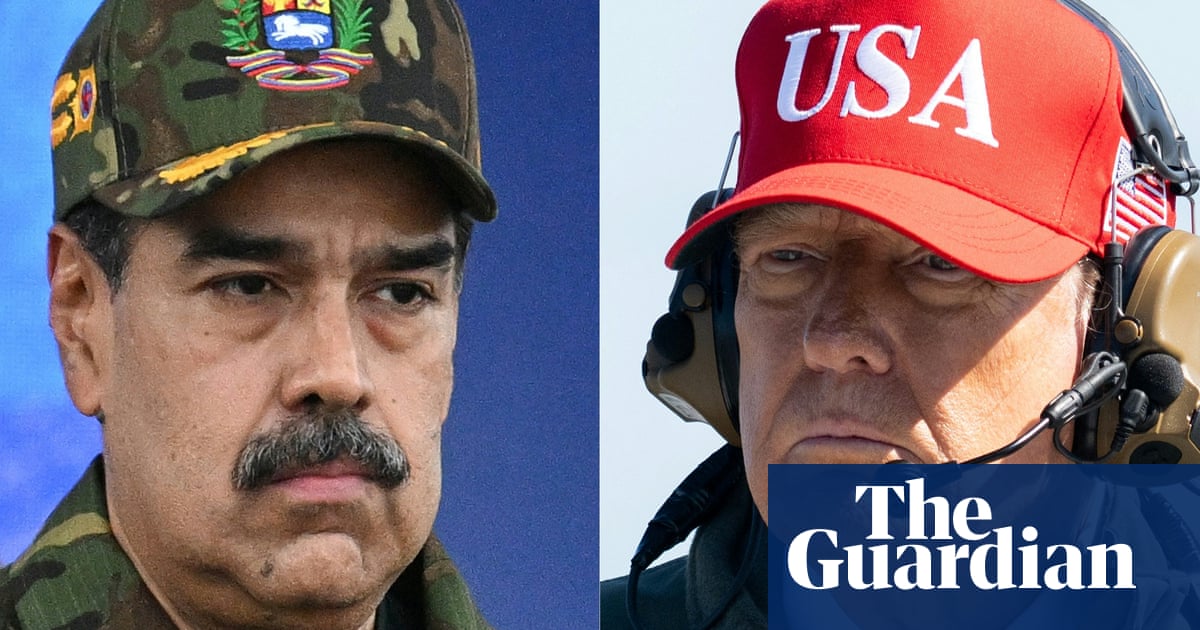
US Airstrikes Capture Venezuelan President Nicolás Maduro Amid Ongoing Tensions
Overnight on Friday, January 2, 2026, US airstrikes struck Venezuela, causing explosions in Caracas. Subsequently, US forces captured President Nicolás Maduro and his wife Cilia Flores and flew them out of the country. Since September 2025, the US had amassed a navy fleet off Venezuela’s coast, conducted airstrikes on alleged drug-trafficking vessels in Caribbean and Pacific waters, and seized Venezuelan oil tankers, resulting in at least 110 deaths in these strikes on boats.
Human rights groups have expressed concerns that these strikes could amount to war crimes, while Venezuela accuses the US of aiming to gain access to the world's largest oil reserves. The broader US campaign included a $50 million bounty on Maduro, announced in July 2024, and the designation of gangs such as Tren de Aragua as terrorists, as part of efforts to pressure Maduro’s regime.
In late November 2025, then-President Trump issued an ultimatum to Maduro, demanding he relinquish power in exchange for safe passage. Maduro refused, rejecting what he described as a "slave’s peace" and accusing the US of seeking control over Venezuela’s oil reserves.
US-Venezuela relations have steadily deteriorated since the era of Hugo Chávez, with Maduro leading since 2013. The US government portrayed Maduro’s government as illegitimate and recognized opposition leader Juan Guaidó as president in 2019. In the 2024 election, Maduro appeared to lose to opposition candidate Edmundo González; however, Maduro maintained power. The Biden administration acknowledged González as the victor based on opposition data, even as Maduro intensified a crackdown on dissent.
The future remains uncertain, with Venezuela’s defense minister pledging to resist US actions, and opposition figures calling for support in an uprising. Past US military exercises included war games simulating scenarios where Venezuela's leadership is decapitated, predicting prolonged chaos and mass exodus in such events.