US Executive Order Centralizes AI Regulation, Sparking State-Level Criticism
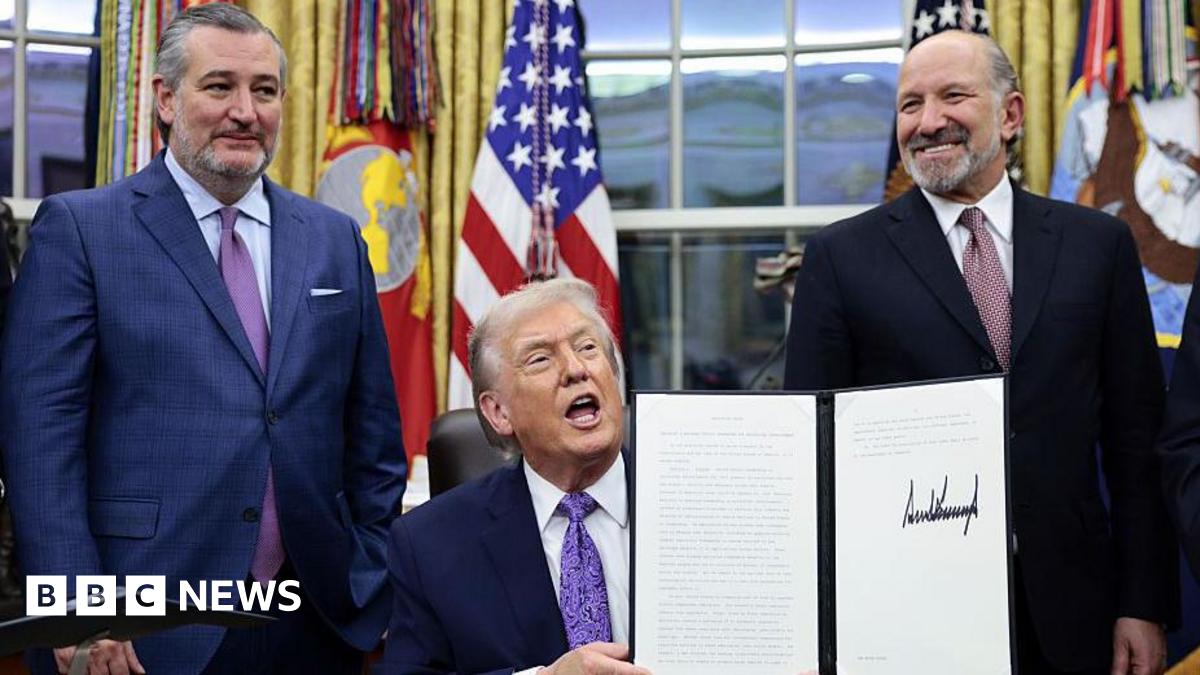
On 12 December 2025, the White House signed an executive order aimed at blocking states from enforcing their own artificial intelligence regulations, centralizing AI regulatory approval under federal oversight. The order intends to push back against onerous state rules deemed potentially harmful to innovation and US leadership in AI development.
White House AI adviser David Sacks stated that the measure provides tools to challenge state regulations, with a specific exception carved out for AI regulations related to children's safety. The move could benefit major tech companies by limiting fragmented state-level constraints that some argue could slow innovation and hinder competition with global rivals such as China.
Several states have already enacted their own AI laws. California, for instance, has established AI regulations and Governor Gavin Newsom criticized the federal order as corrupt and harmful to residents. Newsom had previously signed legislation requiring major AI developers to disclose risk-mitigation plans. Other states, including Colorado and New York, have passed similar AI-related laws, prompting federal efforts to preempt this regulatory patchwork.
Critics of the executive order argue that state-level safeguards remain necessary in the absence of comprehensive federal regulations. Organizations such as Mothers Against Media Addiction have voiced opposition to the federal move, emphasizing the importance of localized protections in AI governance.