US Healthcare System Faces Decline, Increasing Inequality, and Shortened Life Expectancy
Eduardo Porter's opinion in The Guardian highlights significant challenges in the US healthcare system, particularly how it harms poor Americans and is expected to worsen further.
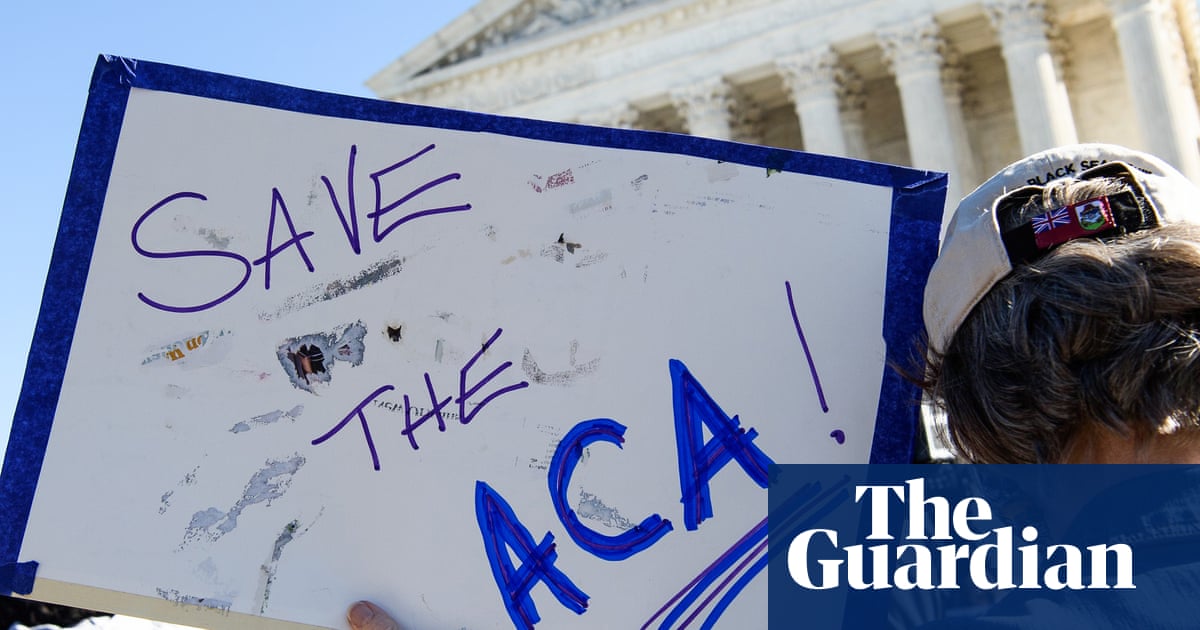
In January, millions of Americans could lose health insurance as premiums rise following the end of subsidies that previously assisted about 20 million people in purchasing marketplace coverage. This comes amid Congressional cuts exceeding $850 billion over ten years to Medicaid and CHIP to fund tax cuts, threatening approximately $500 billion in Medicare funding.
US life expectancy at birth in 2023 is notably lower than in 2010 and lags behind peer nations including those in the EU, Japan, and Canada. It also trails countries such as Albania, Czechia, Chile, and Panama, and is nearly four years shorter than in Puerto Rico.
The US spends a very high amount on healthcare driven by a private, profit-oriented medical sector, yet access to essential health determinants like employment, potable water, and health insurance remains insufficient. A 2013 NIH study entitled "US Health in International Perspective: Shorter Lives, Poorer Health" identified multiple factors behind shorter US lifespans and recommended adopting lessons from other countries.
Investment in anti-aging startups has totaled about $12.5 billion over 25 years, with notable contributions from tech figures such as OpenAI’s Sam Altman, who invested $180 million in Retro Biosciences, as well as Eric Schmidt, Vinod Khosla, and Mark Zuckerberg, who has refocused his philanthropy towards biology and AI.
There is a stark inequality in life expectancy within the US. The richest 1% of men live 14.6 years longer than the poorest 1%, and the richest 1% of women live 10.1 years longer. This disparity widened by over two years between 2001 and 2014.
Mortality disparities are evident in infant mortality, opioid overdoses, suicides, gun violence, road accidents, obesity, and smoking. These issues collectively reflect deeper social determinants and policy decisions that continue to affect health outcomes across the nation.