US Healthcare System Fails Poor Americans Amid Ending Subsidies and Rising Inequality
The US healthcare system is increasingly harming poor Americans as federal subsidies end and coverage cuts loom.
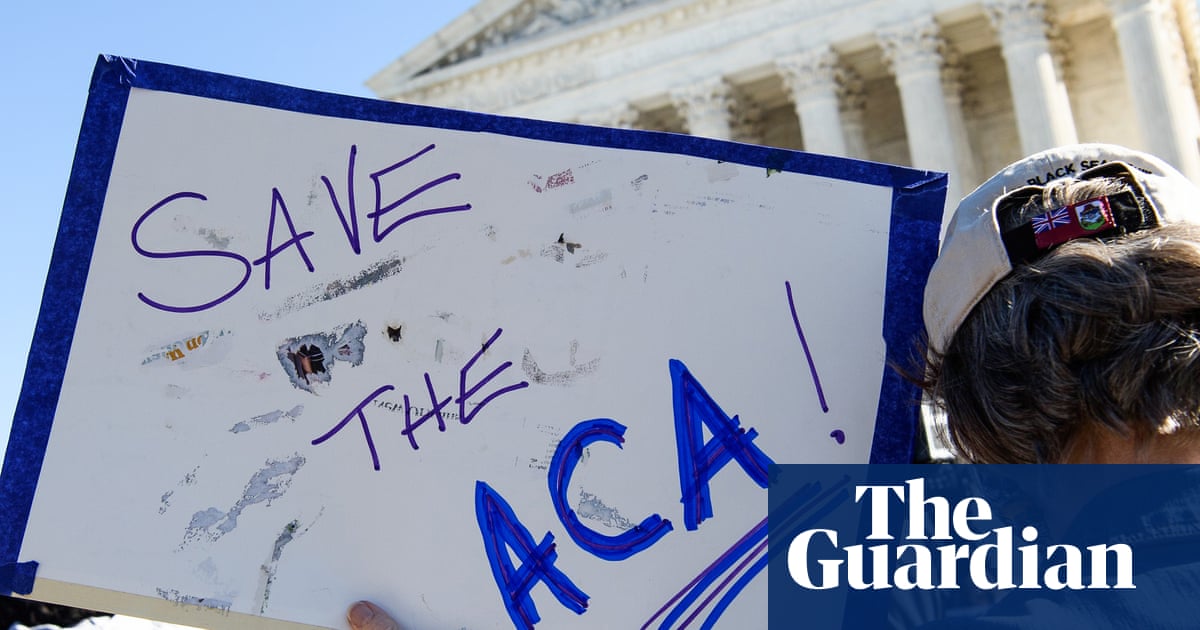
Starting January, millions are expected to lose health insurance after the Trump administration terminated the federal subsidies that previously helped about 20 million people afford Obamacare marketplace plans.
Republicans have proposed over $850 billion in Medicaid and CHIP cuts over the next decade to finance tax cuts, a move that also threatens roughly $500 billion in Medicare funding.
Despite these challenges, wealthy tech investors have poured approximately $12.5 billion into life-extension research over the past 25 years, including Sam Altman's $180 million investment in Retro Biosciences and contributions from Eric Schmidt, Vinod Khosla, and Mark Zuckerberg.
However, US life expectancy in 2023 remains lower than in 2010 and trails behind other developed nations such as those in the EU, Japan, and Canada, as well as countries like Albania, Czechia, Chile, and Panama. It is also four years shorter than Puerto Rico.
United States healthcare spending is exceptionally high, driven by a private, profit-motivated system that inflates costs at every interaction regardless of the health outcomes.
Mortality rates are closely linked to social determinants and inequality; the social contract requires urgent reform. Causes of death with rising prevalence include fentanyl overdoses, obesity, suicides, and gun violence.
A 2013 NIH study titled 'US Health in International Perspective: Shorter Lives, Poorer Health' pinpointed reasons for the comparatively lower American life expectancy and suggested learning from other countries. However, policy actions in Washington have largely moved toward ACA repeal, Medicaid cuts, and alterations to vaccine recommendations under figures such as Kennedy Jr.
Longevity inequality is stark: the richest 1% of American men live 14.6 years longer than the poorest 1%, while the gap for women is 10.1 years. Moreover, the disparity between the top 5% and bottom 5% widened by more than two years from 2001 to 2014.