US Interior Department Pauses Five Large Offshore Wind Projects Citing Security Concerns
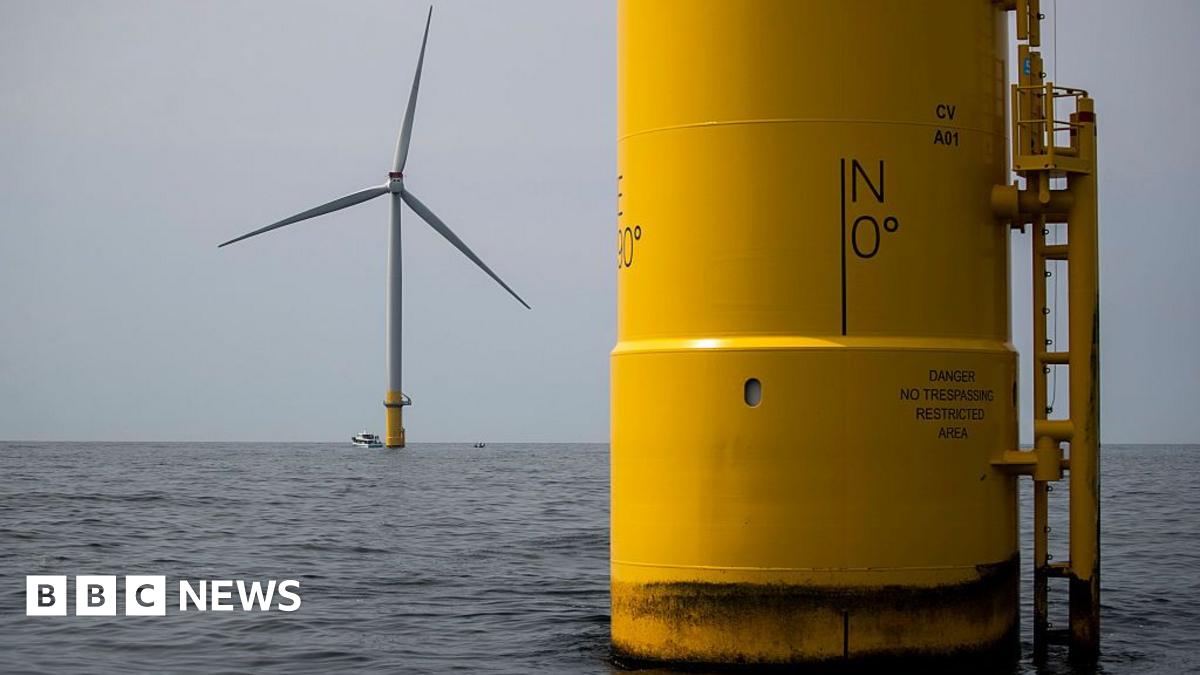
The US Department of the Interior has paused five large offshore wind lease projects currently under construction off the Atlantic coast. The affected leases are located off New York, Virginia, Massachusetts, Rhode Island, and Connecticut. Officials have raised concerns about radar interference and other national security risks associated with large-scale offshore wind farms situated near populated east coast areas. Specifically, radar clutter could obscure actual targets or create false signals, posing potential vulnerabilities due to evolving adversary technologies.
The department stated that the pause aims to address these security issues linked to the proximity of expansive wind farms near population centers. This move continues a contentious debate over offshore wind energy in the US. Former President Donald Trump had opposed wind energy projects and attempted to halt them, including issuing a memorandum in January that stopped new permits and leases, despite a December court ruling striking down his ban on new projects as arbitrary. Interior Secretary Doug Burgum has expressed opposition, claiming wind farms have no future role in the US energy grid. Such views have attracted criticism from renewable energy groups and some state leaders.
Dominion Energy, whose Virginia project includes two pilot turbines that have operated for five years without reported national security impacts, noted that their project is located far offshore and reportedly does not pose visual impact concerns. However, the company’s share price fell over 3% following the announcement. The stocks of Orsted and Vestas also declined, dropping roughly 12% and 2.6% respectively. Connecticut Governor Ned Lamont described the department’s pause as erratic, warning it could lead to higher electricity prices and threaten jobs in the region.
Overall, this pause reflects ongoing tensions between federal agencies, state governments, energy companies, and other stakeholders over the future of offshore wind energy development and its compatibility with national security priorities.