US Large-Scale Strike in Venezuela Results in Maduro's Capture; Complex Regional and Political Implications
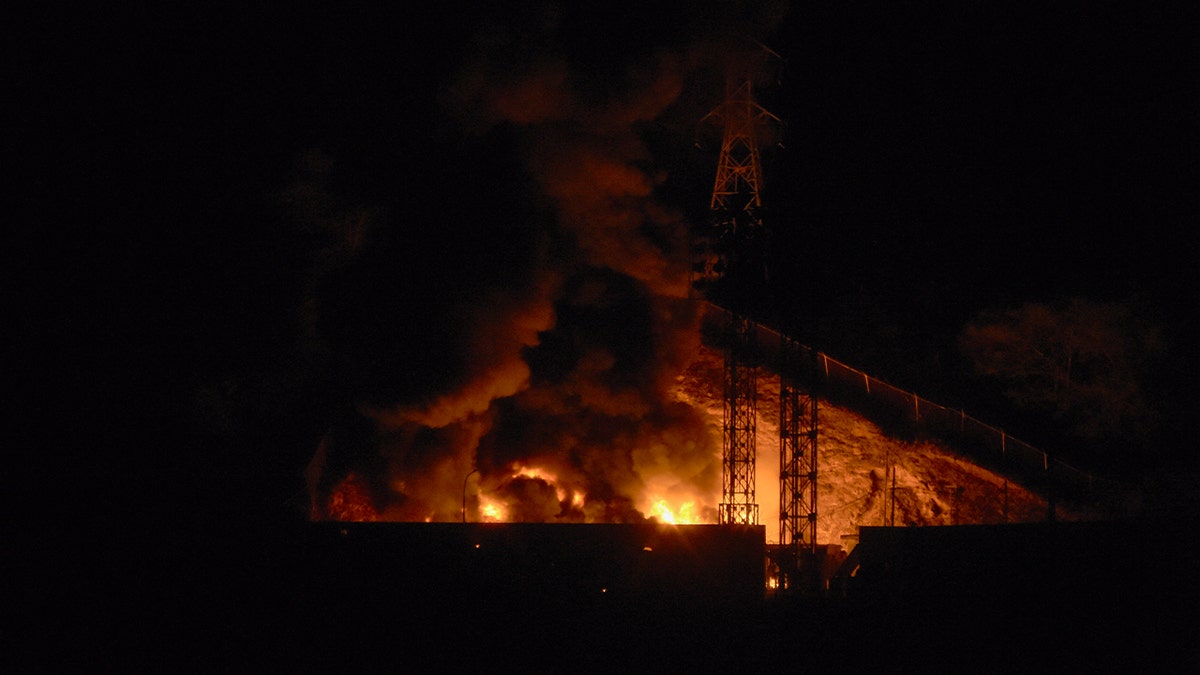
On January 3, 2026, the United States conducted a large-scale military strike in Venezuela that included explosions in the capital, Caracas, and surrounding areas. Helicopters from the Army's 160th Special Operations Aviation Regiment participated in the operation. Following the strike, President Donald Trump announced that Venezuelan President Nicolás Maduro and his wife were captured and flown out of Venezuela. A news conference was planned to take place at Mar-a-Lago.
The strike marked a direct and major intervention inside a sovereign capital, drawing comparisons to the 1989 Panama invasion. U.S. operations targeted multiple locations and included the deployment of warplanes, thousands of troops, helicopters, and the world's largest warship. At least 110 people were reportedly killed in the related operations. The U.S. also seized at least two oil tankers. The FAA issued a NOTAM to prohibit U.S. aircraft from flying in Venezuelan airspace. The U.S. State Department withdrew diplomatic personnel and suspended operations in Caracas in 2019.
The Venezuelan government condemned the attack, calling it a serious military aggression aimed at seizing resources and vowed to defend its sovereignty. Deputy Secretary of State Christopher Landau described the event as a new dawn for Venezuela, stating the tyrant is gone on social media. Senator Mike Lee raised questions about the strike's justification, noting the absence of a formal war declaration or authorization for the use of force.
The U.S. has accused Venezuela’s ruling elites, including Maduro, of orchestrating drug trafficking and illegal mining and designated the Cartel de los Soles as a foreign terrorist group. Maduro faced multiple charges, including weapons and drug offenses, with his exact whereabouts after capture initially unknown. The strike aligned with ongoing U.S. actions targeting drug-trafficking networks tied to Maduro’s government. Prior to the strike, Maduro had expressed willingness to discuss drug-trafficking deals and oil investment with the United States.
Venezuela's internal political situation is complex; Maduro maintained strong control over the judiciary, Supreme Court, military, and colectivos, complicating any transition. Potential successors include opposition leaders María Corina Machado, who won the Nobel Peace Prize in December 2025 and had been barred from running by Maduro's high court, and Edmundo González, recognized by the United States as Venezuela’s legitimate leader after his disputed 2024 electoral victory. However, Venezuelan experts and analysts emphasize that a true win requires a transition to democratic forces rather than merely Maduro’s removal.
Other potential power contenders within Venezuela include Diosdado Cabello, a hard-liner controlling party machinery and enforcement; Jorge Rodríguez, president of the National Assembly; Vice President Delcy Rodríguez, who wields broad influence and is sanctioned by the U.S. and EU; Iván Hernández Dala, head of the military intelligence agency DGCIM; and Vladimir Padrino López. These figures hold various levers of power that influence the country's political landscape.
Maduro's rise to power began as a bus driver and union organizer, followed by political alignment with Hugo Chávez. He held key leadership roles before becoming president in 2013 after Chávez's death. His presidency saw Venezuela's economy contract sharply, with inflation exceeding 130,000% and prolonged mass protests met with violent crackdowns resulting in over 100 deaths. The International Criminal Court opened an investigation into possible crimes against humanity linked to Maduro's government in 2018. Since 2019, over 50 countries, including the United States, ceased to recognize Maduro as head of state, instead recognizing Juan Guaidó as interim leader.
Attorney General Pam Bondi announced a $50 million U.S. reward for information leading to Maduro's arrest prior to his capture. Regional responses to the U.S. intervention are mixed; Brazil and Colombia declined to support the U.S. action. President Trump's broader regional strategy included economic bailouts and the imposition of tariffs linked to regional political shifts toward the right in countries such as Ecuador, Argentina, and Chile.