US Plans to Tap Venezuela's Oil Reserves Amid Political Transition
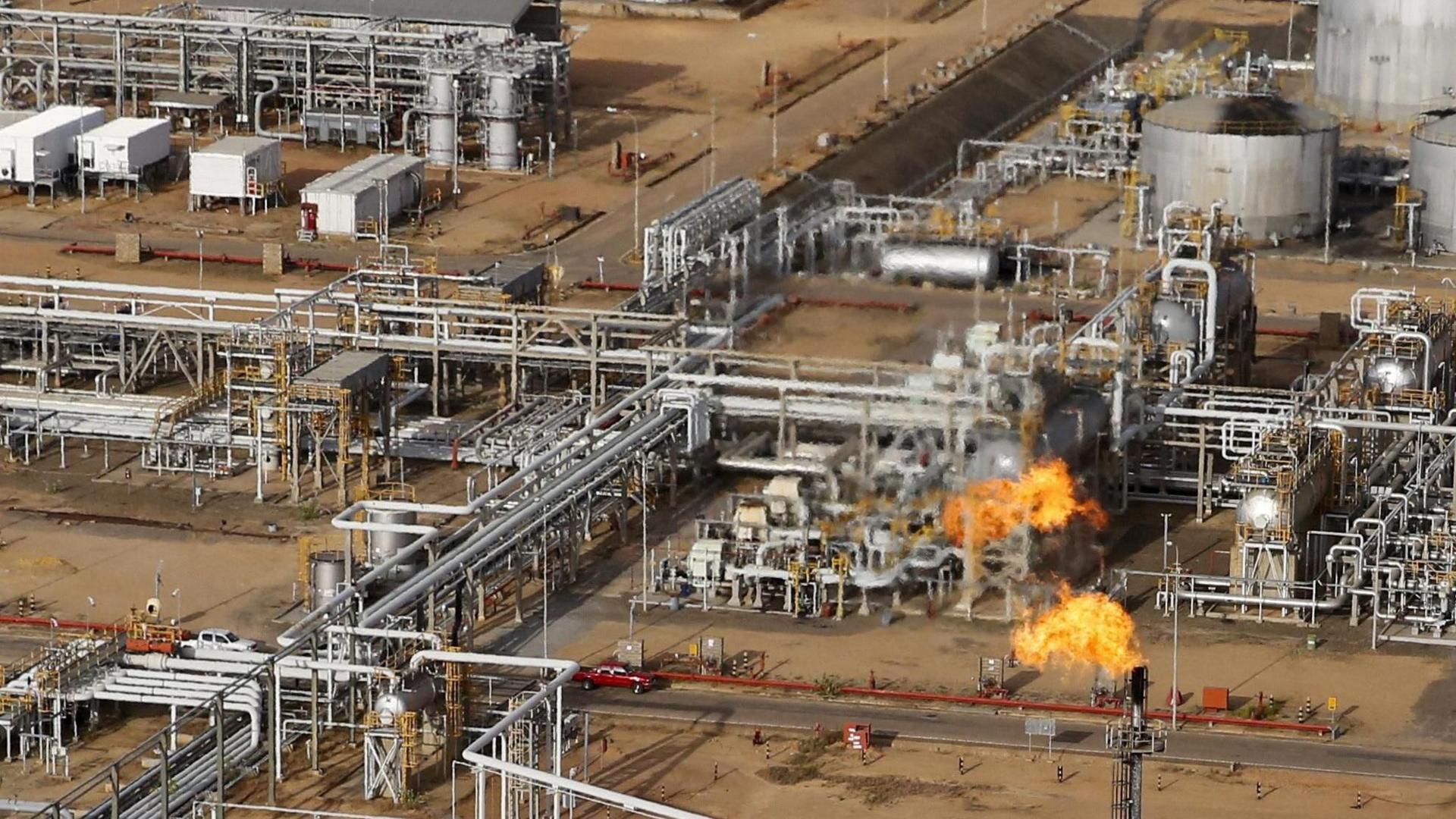
Former US President Donald Trump vowed to tap into Venezuela's vast oil reserves following the seizure of President Nicolás Maduro, stating that the United States would run the country until a safe political transition is achieved. The US plans involve American oil firms investing billions of dollars to repair Venezuela's oil infrastructure and mobilise its reserves.
Venezuela is known to hold the world's largest proven oil reserves, estimated at around 303 billion barrels. However, its current production is significantly reduced, with November's output at approximately 860,000 barrels per day—about one-third of what it was ten years ago and under 1% of global consumption. The country's oil is characterized as heavy and sour, making it more difficult to refine compared to the US's light, sweet crude.
US sanctions imposed since 2015 have severely impacted Venezuela's oil sector by limiting investment and restricting access via seizures of tankers and blockades of sanctioned vessels. These sanctions have contributed to the decline in production and infrastructure deterioration.
Several hurdles remain for American firms interested in Venezuela's oil, such as securing agreements with a future government, the necessity for substantial investments, and the extended timeframes required for restoration—any recovery effort could cost tens of billions of dollars and take up to a decade. Analysts note that despite the vast reserves, these plans are unlikely to significantly influence global oil prices due to the complexity and duration involved.
Chevron is currently the only American producer active in Venezuela under a 2022 license, accounting for about one-fifth of the country's oil extraction. The company emphasizes prioritizing safety and legal compliance. Meanwhile, other major oil firms have been cautious, with their interest largely dependent on political stability and resource availability, balanced against the high risks associated with investment in the country.