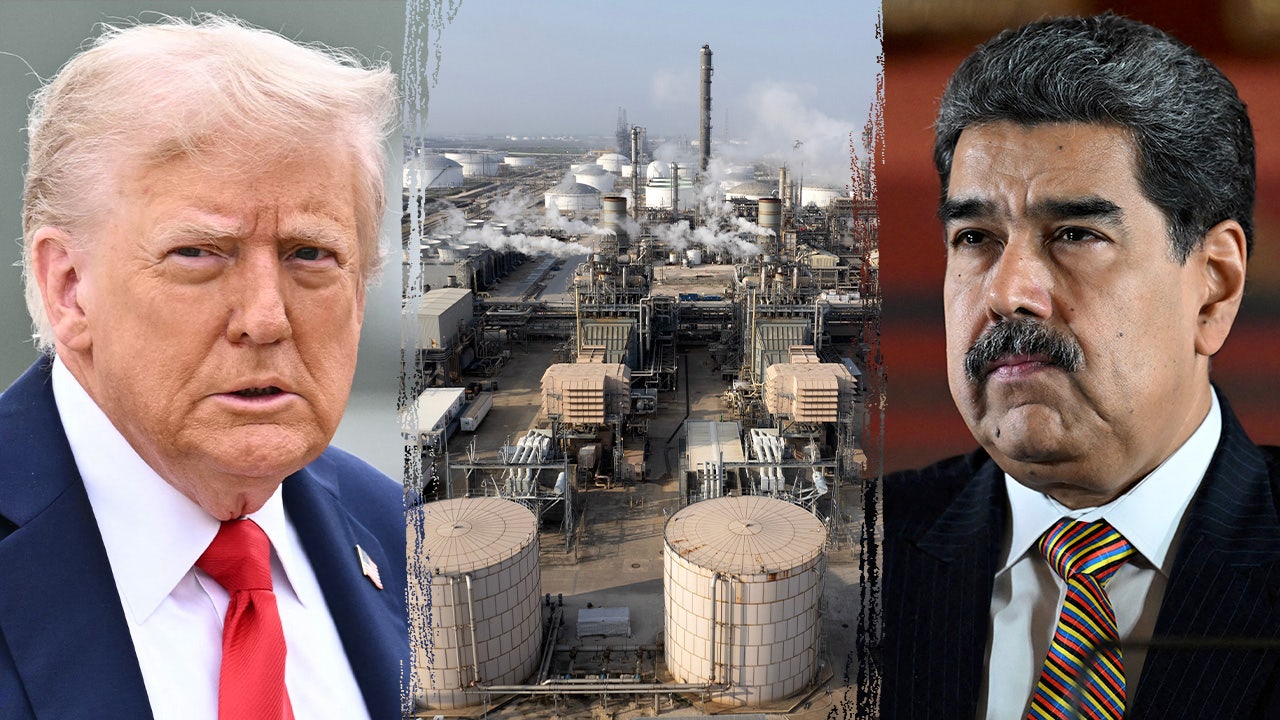
US-Venezuela Showdown Threatens Gas Price Surge Amid Oil Supply Risks
Venezuela produces about 1 million barrels of oil per day, roughly 1% of the global supply, with its heavy sour crude being a crucial feedstock for Gulf Coast refineries in the U.S. A disruption in Venezuelan oil supplies could significantly impact refinery costs and gasoline prices beyond fluctuations in crude prices alone.
On December 11, 2025, the U.S. escalated tensions by seizing a Venezuelan oil tanker off its coast amid ongoing sanctions. This action signals an intensification of efforts against the Maduro regime, which the Trump administration does not recognize as legitimate and has labeled as a drug cartel leader, with rewards reportedly up to $50 million for his arrest.
The U.S. has conducted over 20 strikes targeting drug smugglers in Latin American waters since September, with potential land strikes under consideration. The impact on U.S. gas prices depends on the scale of military involvement; disruption of energy facilities or scarcity of oil could raise prices, while regime-change turmoil might further affect power plants, ports, and distribution.
Full disruption of Venezuelan oil exports could increase U.S. gasoline costs by about 5 to 18 cents per gallon, with possible regional retaliation against facilities in Guyana potentially raising costs further. Despite tensions, as of December 1, 2025, U.S. gas prices fell to $2.99 per gallon nationally, the first sub-$3 average in four years.
Treasury Secretary Scott Bessent suggested that peace deals between Ukraine and Russia or changes in Venezuela could lead to a "peace dividend," potentially lowering energy prices and thus improving fuel affordability in the U.S.